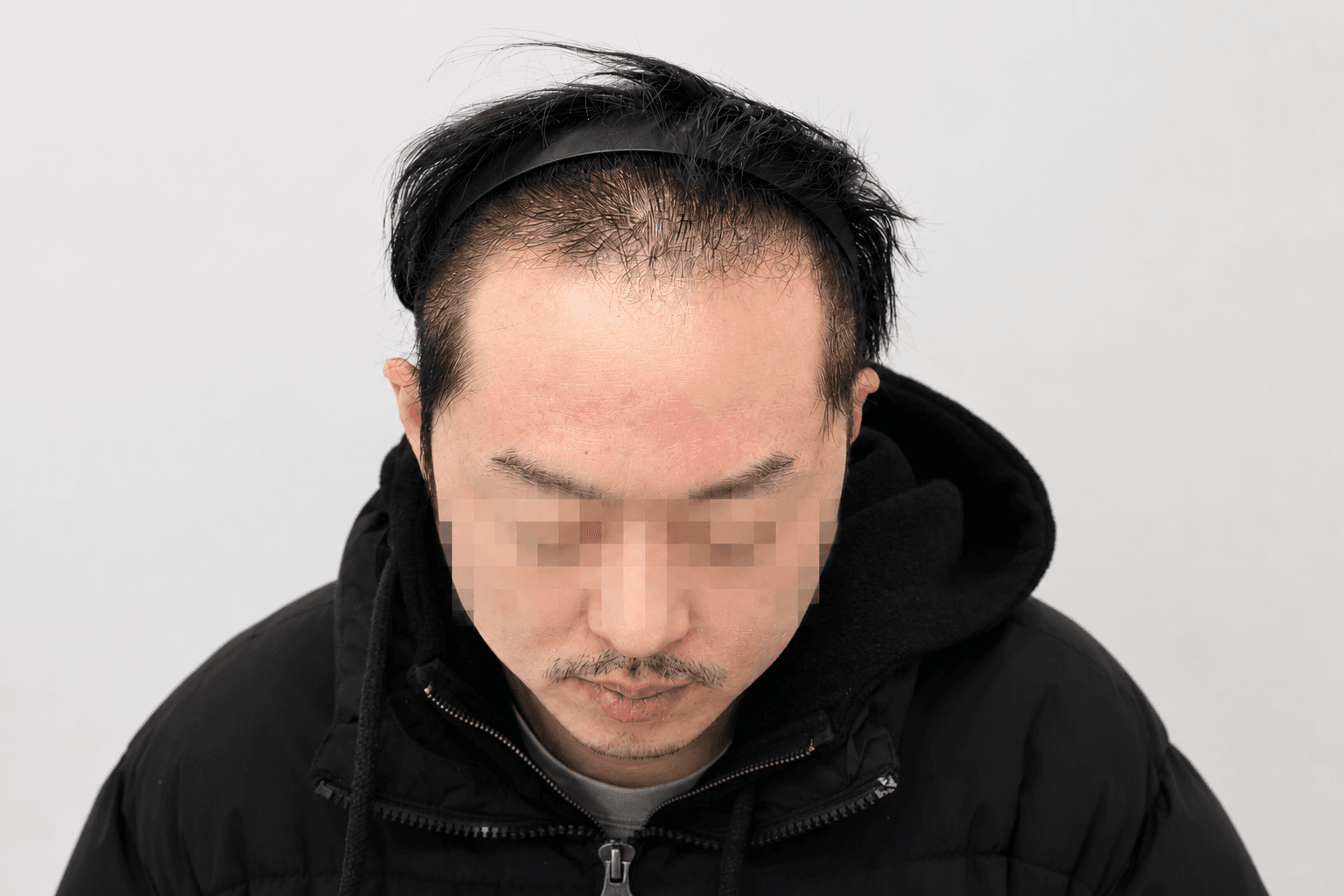
What does a hair transplant look like 1 year later?
What people considering a hair transplant most want to know is the 'result after 1 year'. Photos and reviews from right after surgery are easy to find, but reviews that describe in detail what actually changed after a full year and what the recovery process was like are fewer than you might think.
Today, we introduce the 1-year hair transplant review of a man in his 30s who decided to have a hair transplant ahead of his wedding. Based on an actual interview, we have summarized his deliberations in choosing a clinic, the atmosphere on the day of surgery, the recovery process, and his candid impressions now that a year has passed.
Making the Decision: A Nagging Concern and Two Worries
He described himself as being "not so much under great stress as just constantly bothered by it." His hair loss was not severe enough to interfere with daily life, but as he prepared for his wedding and thought about how often he would be taking photos and meeting people, he decided it would be better to address it now.
When it actually came time to decide on surgery, there were two things he worried about most.
- Survival rate : Concern about whether the transplanted hair would take hold well
- Cost : Since it involves a considerable amount, he had no choice but to be careful
These two concerns are shared by most people considering a hair transplant. Because a hair transplant uses the limited hair at the back of the head, it is especially important to make the decision after sufficient consultation and planning.
Day of Surgery: "The Atmosphere Was Different from What I Expected"
The most memorable part of the review was his account of the day of surgery.
"It was very different from what I had imagined. It felt much more comfortable."
When people hear the word "surgery," they tend to imagine a tense, rigid atmosphere, but he said that in reality the procedure proceeded calmly with explanations along the way, so the psychological burden was less than he had expected.
In particular, he highlighted the process of having his current condition checked continuously before and after surgery as a positive. He said that hearing explanations of which stage they were at made him feel much more at ease.
He also candidly shared what he found disappointing: "The waiting time was a bit longer than I expected." Other than that, he said there was nothing particularly uncomfortable.
The surgery proceeded in the following order.
- Consultation and design
- Pre-surgery photos
- Hair follicle harvesting
- Hair transplantation
- Recovery and post-operative care instructions
Recovery: A More Natural Return to Daily Life Than Expected
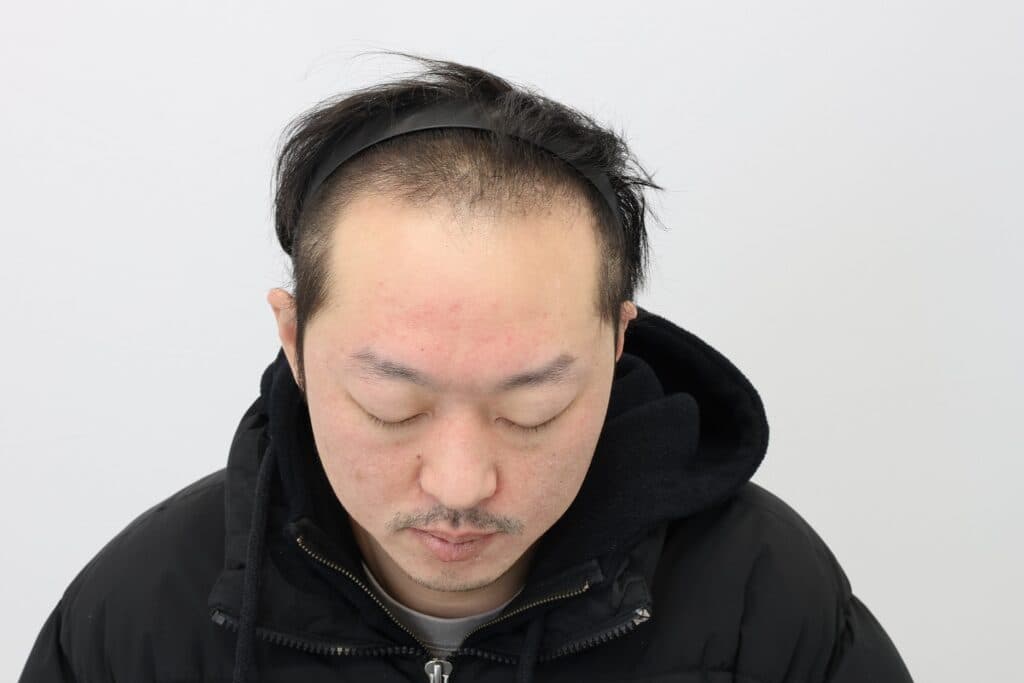
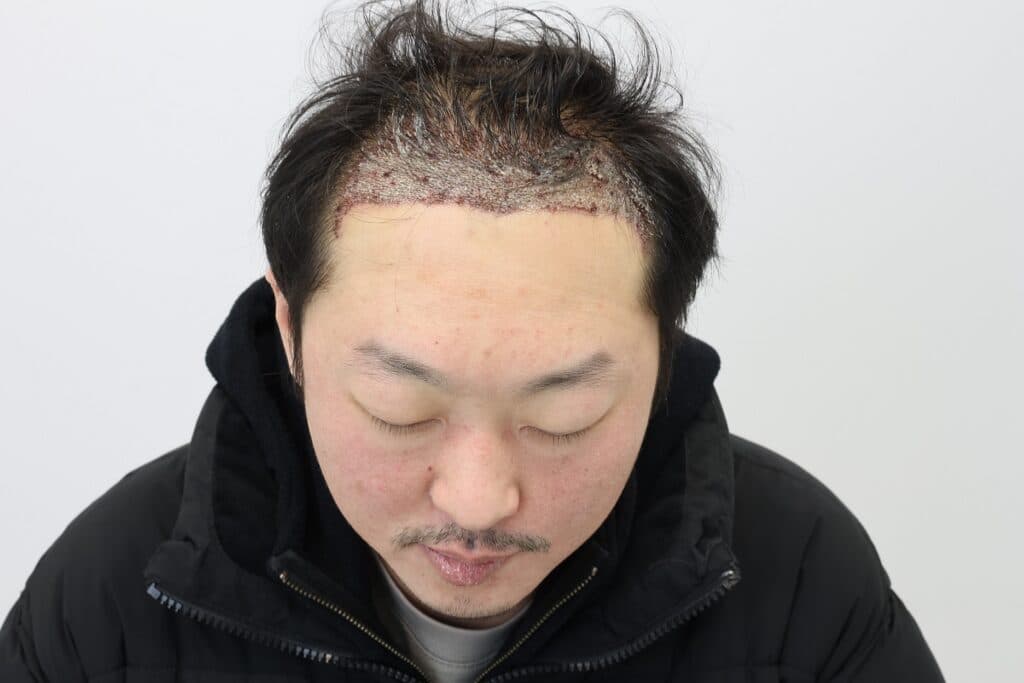
This is an actual patient's recovery progress. Recovery speed and progress may vary from person to person.
He also shared his realistic experience of the recovery period.
In his case, from about 2 weeks to two months after surgery, the transplanted area had an itchy sensation that felt "like it wasn't my own skin." He said the peculiar sensation, which scratching did not relieve, was somewhat uncomfortable, but it faded naturally over time.
He also said he was able to resume daily life sooner than expected after surgery. He followed the instructed schedule for shampooing and daily care, and experienced no discomfort severe enough to make daily life difficult.
During post-operative recovery, temporary symptoms such as itching or changes in sensation may occur, and recovery speed differs from person to person. In most cases, these gradually resolve naturally over time.
Hair Transplant Recovery Timeline
| Period | Typical Changes |
|---|---|
| Immediately after surgery | Transplant completed and recovery begins |
| 2 weeks | Most scabs removed, adjusting to daily life |
| 1 month | Shedding may occur |
| 3–6 months | New hair gradually begins to grow |
| 1 year | Time to assess the final result |
Returning to Daily Life: Making Use of the Holidays
He had the surgery during the Lunar New Year holiday and went straight back to work after the holiday ended.
For office workers who find it difficult to take long leave, using holidays or weekends to secure the initial recovery period can be a good option.
The reactions around him were also interesting. Family and friends showed enough interest to ask "where he had it done," but at work, surprisingly, it was not much of a topic of conversation.
One Year Later: "Taking Photos Has Become More Comfortable"
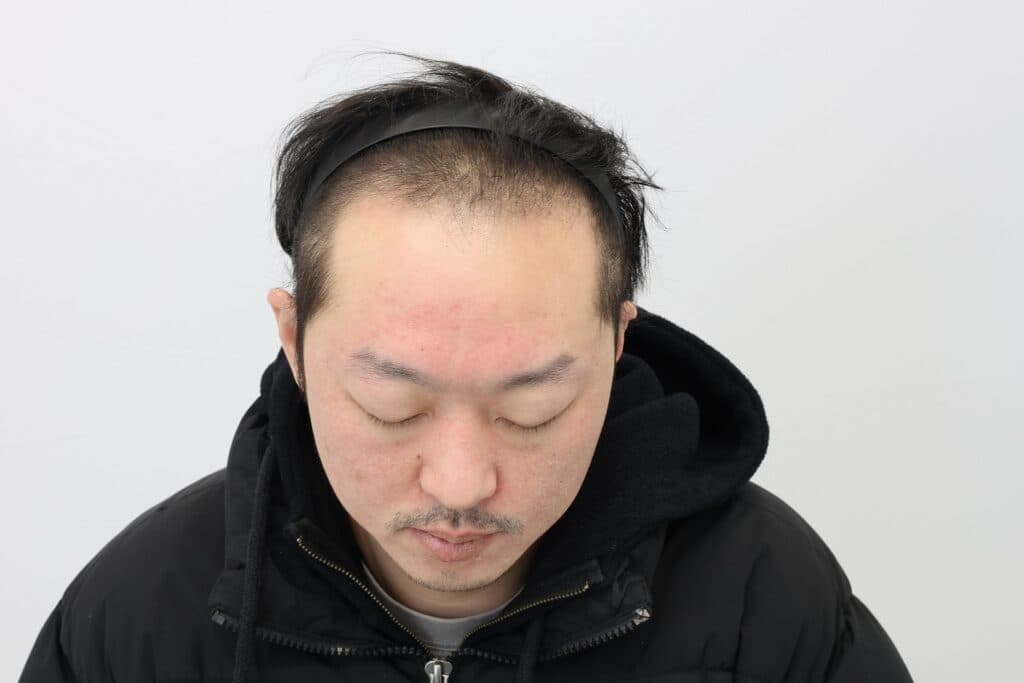
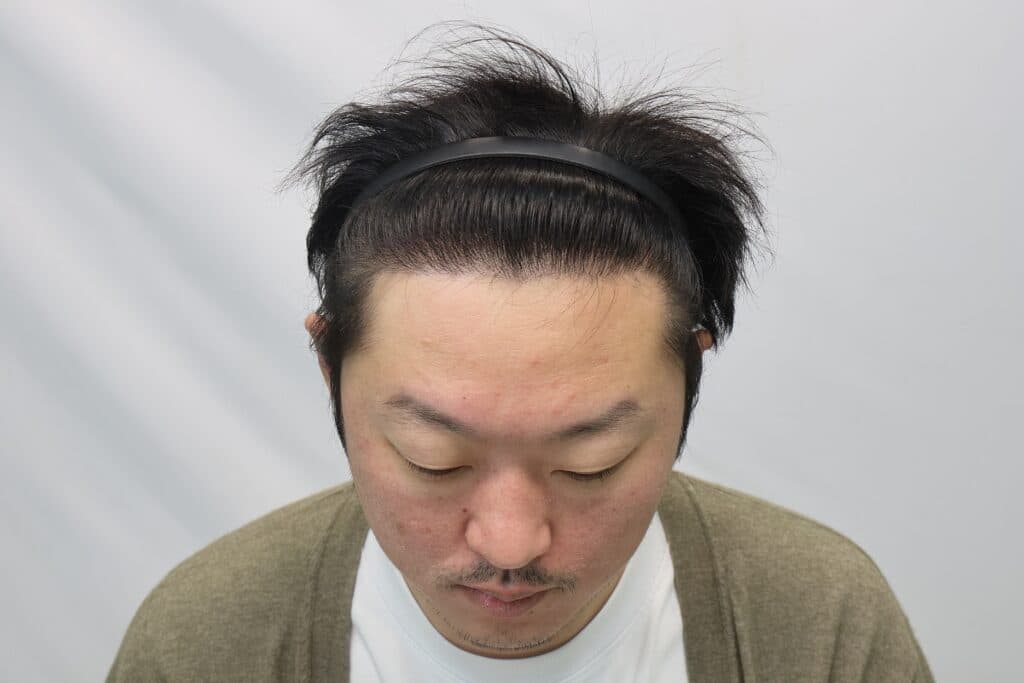
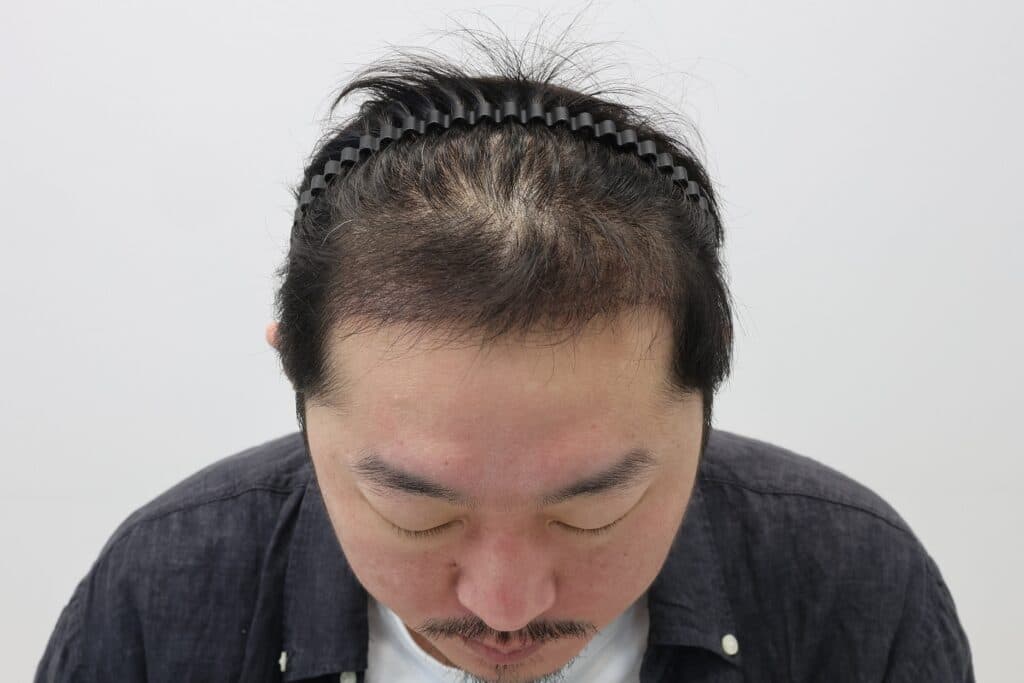
These photos were taken from the same angle before surgery and 1 year after.
Regarding the 1-year result he had been most curious about, he described it as 100 out of 100.
He said that at first he was worried whether the hair would really grow well, but over time he became much less self-conscious than before when styling his hair or taking photos, and his confidence naturally grew.
In particular, while preparing for his wedding he had wedding photo shoots and other important events ahead, and in the end he felt, "I'm glad I decided when I did."
"Every clinic says their survival rate is high, so if you're thinking about it, I recommend getting a consultation first. And as time goes on, there are things you end up being satisfied with on your own."
He also left the advice that before choosing a clinic, it is important to have a consultation in person and create a plan that suits you.
Frequently Asked Questions
Is an itchy sensation normal after a hair transplant?
Temporary itching or changes in sensation may occur during recovery. In most cases these improve naturally over time; if discomfort persists for a long time, it is advisable to contact the clinic.
When can I return to work after surgery?
The patient in this review returned to work right after the holiday. However, recovery speed and the nature of each person's job differ, so it is best to plan your schedule according to your individual situation.
When do hair transplant results become visible?
Although it varies by individual, new hair generally begins to grow over several months after the initial recovery and shedding phase, and in many cases the final result is assessed after observing progress for about 1 year.
What should I check first before deciding?
The patient who shared this review also said he thought most about the survival rate and cost. It is helpful to check your current hair loss condition, the required transplant amount, and future plans together through an in-person consultation.
In Summary
What stood out most in this hair transplant review was that sufficient consultation and planning can lead to a satisfying result.
His journey—from a nagging concern ahead of his wedding, through the recovery process, to regaining confidence 1 year later—is a story that can serve as a realistic reference for many people considering a hair transplant.
A hair transplant is not a one-time surgery but a process of building results together over several months to 1 year. We encourage you to carefully review your current condition, the required transplant area, and future plans through a thorough consultation.
If you are considering a hair transplant or hair loss treatment, feel free to request a consultation.
- 💬 KakaoTalk consultation : https://pf.kakao.com/_ExmRuT
- 📞 Phone consultation : 02-544-8659
- 🌐 Website : http://www.modihairplant.com
This article is medical information restructured based on YouTube content by Director Yoo Hwa-jung of Modi Hair Plant Clinic.
This article was uploaded after review by medical staff.