Modi Hair Plant
Baby Hairs
A small detail that can change the overall impression.
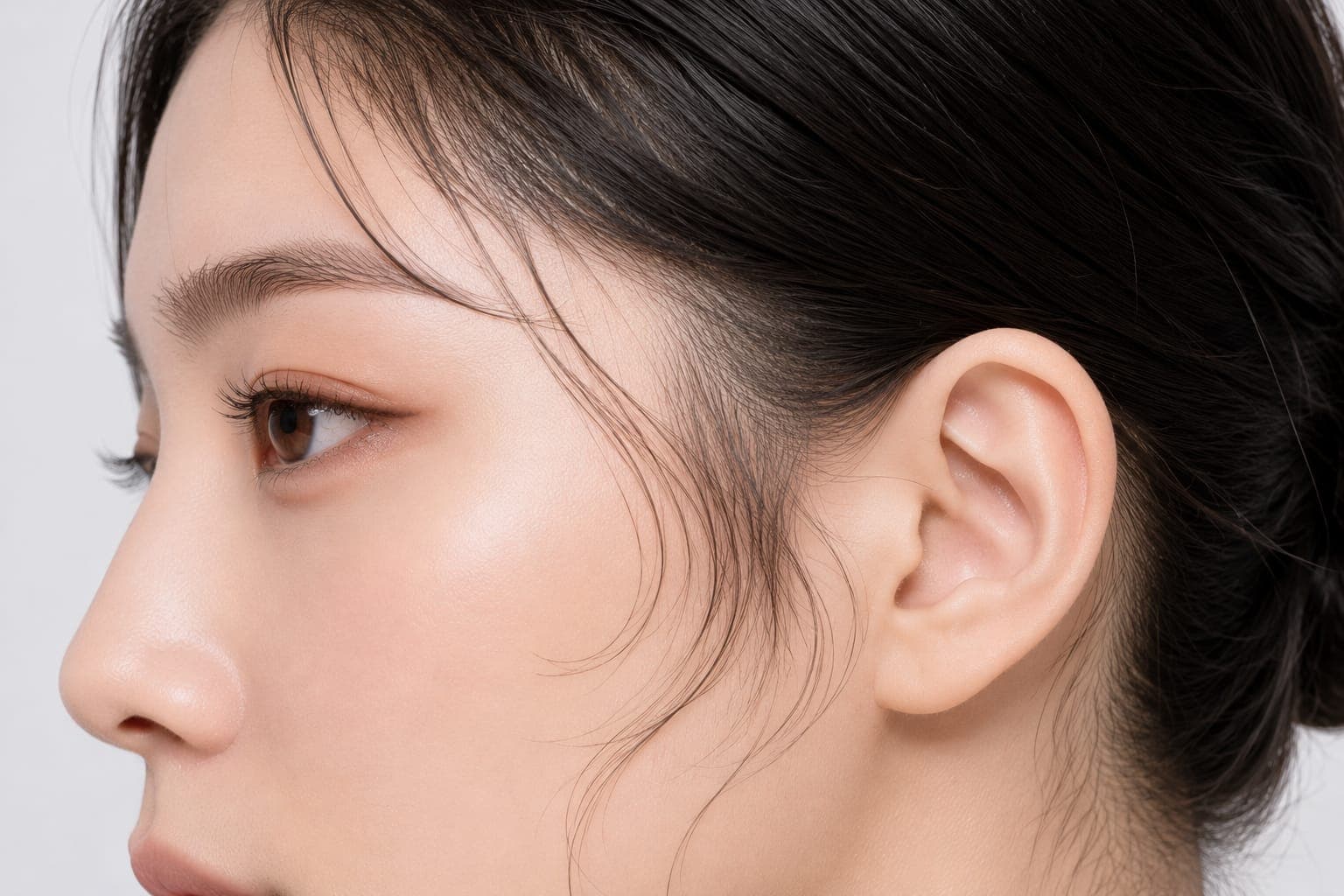
FEMALE SIDEBURNS
Fine hairs that finish the front of the hairline: baby hair transplant
If you look at the natural hairline of a young woman, the front is lined with short, fine, vellus-like hairs — the “baby hairs” that never grow out long. A baby hair transplant rebuilds the flow of this front line, aiming for a natural look whether the hair is tied up or worn down.
WHY IT MATTERS
You may want to consider it in these cases
Tied up
When the forehead looks wide and the front line looks empty
Front line
When the absence of fine hairs makes the line end abruptly and look unnatural
Sides
When wide gaps near the temples make the face look larger
After surgery
When baby hairs are lost or displaced after a facelift or facial contouring
Impression
When you want a softer, more youthful impression
VELLUS VS TERMINAL
You need to understand the difference between vellus and terminal hair
Hairline correction is a procedure that harvests follicles from the back of the head and moves them to the front. The vellus hairs (baby hairs) of the front, however, do not exist at the back of the head. The back of the head grows terminal hair that keeps getting longer if left alone, so the only material available to harvest is terminal hair.
As a result, if you try to copy a vellus-hair line directly with terminal hair, the material and the destination do not match. Vellus hairs look natural even when sparse, but terminal hairs that keep growing long will look like thinning hair if planted sparsely. Placing only single-hair grafts thinly is not always the right answer; the first priority is to create proper density and an environment that looks like your own scalp.
SELECTIVE HARVEST
We selectively harvest finer hairs with the non-incision method
The front of the hairline looks natural only when fine hairs are placed there. Even if your own hair is thick, there are ways to obtain fine hairs. Hair thickness varies by scalp location even within one person: at the back of the head, hair is thicker closer to the crown and finer closer to the nape.
The strip method has to use the follicles within the removed strip of skin, making it hard to select by thickness, whereas the non-incision method can pick and harvest follicles from the area you want. For example, you can fill the existing line with thick, full hair and separately harvest the fine hair of the nape to place along the front line, building a natural hairline.
SIDE HAIRLINE
The side line and the temporal peak
As decisive for the impression as the front line is the side line. When the temple area recedes, the facial gaps from the front and the side grow, making the head look larger. The key reference point for side correction is the temporal peak (temporal point): we set its position based on where the line connecting the tip of the nose and the pupil meets the line connecting the earlobe and the midpoint of the hairline, adjusting for age, preference, and head shape.
Pulling the side line forward makes the face look smaller, but narrowing it too much can look unnatural in person. We review the balance against the real face, not just how it appears on screen.
RECONSTRUCTION
Reconstructing baby hairs after a facelift or contouring
When a facelift is performed for sagging after facial contouring such as cheekbone reduction or double-jaw surgery, baby hairs can be lost or shifted in the process of removing the loosened tissue around the cheekbones. This can make the width of the face look wider than before and become a concern.
In such cases, reconstructing the baby hairs and the side hairline with a hair transplant can reduce the sense that the face looks wider. We recommend keeping a post-lift hair transplant in mind: perform the lift to the degree you want, then reinforce the baby hairs and the side line.
BEFORE / AFTER
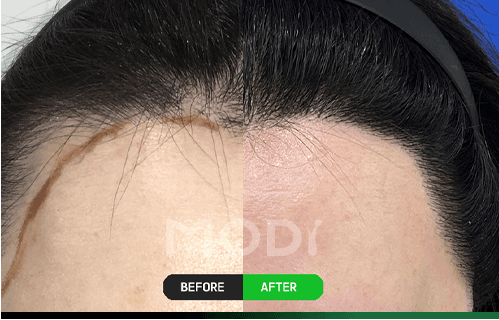
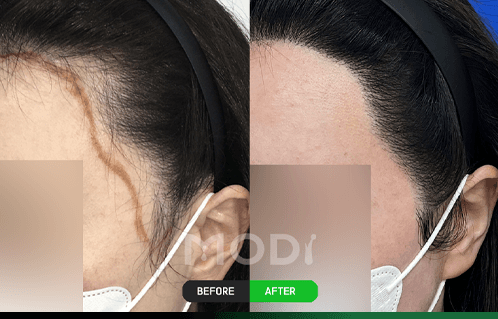
Before and after cases of baby hair transplant
CONSULT
We set the design based on your current condition
Baby hairs are a small detail that can change the overall impression. We check hair thickness, the scalp environment, and the side gaps together, and guide you toward a line that suits you naturally.