Modi Hair Plant
Post-Op Care System
Placing the grafts is not the end. We stay with you through graft survival.

WHY AFTERCARE
Graft survival is decided in the two weeks after surgery
A hair transplant is complete only when the relocated follicles settle into their new site. It usually takes about two weeks for transplanted follicles to take hold in the scalp, and how you wash, moisturize, and avoid impact during this period determines the environment for graft survival. Modi Hair Plant manages this process with stage-by-stage care, from the day after surgery through 12 months.
RECOVERY TIMELINE
Recovery progress by stage
| Stage | Condition and care |
|---|---|
| Day of surgery | The recipient area is dressed with a dedicated gel and wound spray, and a hygiene cap is put on. Anesthesia usually begins to wear off around 11 p.m. to midnight, so take the prescribed anti-inflammatory pain reliever. |
| Next day | Visit the clinic to have the dressing gel removed, then receive hyperbaric oxygen therapy after the first shampoo. |
| Up to 3 days | This is the period when forehead swelling and pinkish fluid staining the pillow may appear. |
| Up to 2 weeks | Wash the recipient area with the gauze shampoo method and moisturize with the graft survival spray. Limit yourself to light walks and avoid high-intensity exercise. |
| After 2 weeks | Graft survival is largely determined, and free shampooing becomes possible. |
| 3, 6, 9, 12 months | Stage-by-stage scalp care and follow-up visits confirm hair growth and recovery. |
WASH & DRESSING
Washing and scab care: the 2-week gauze shampoo method
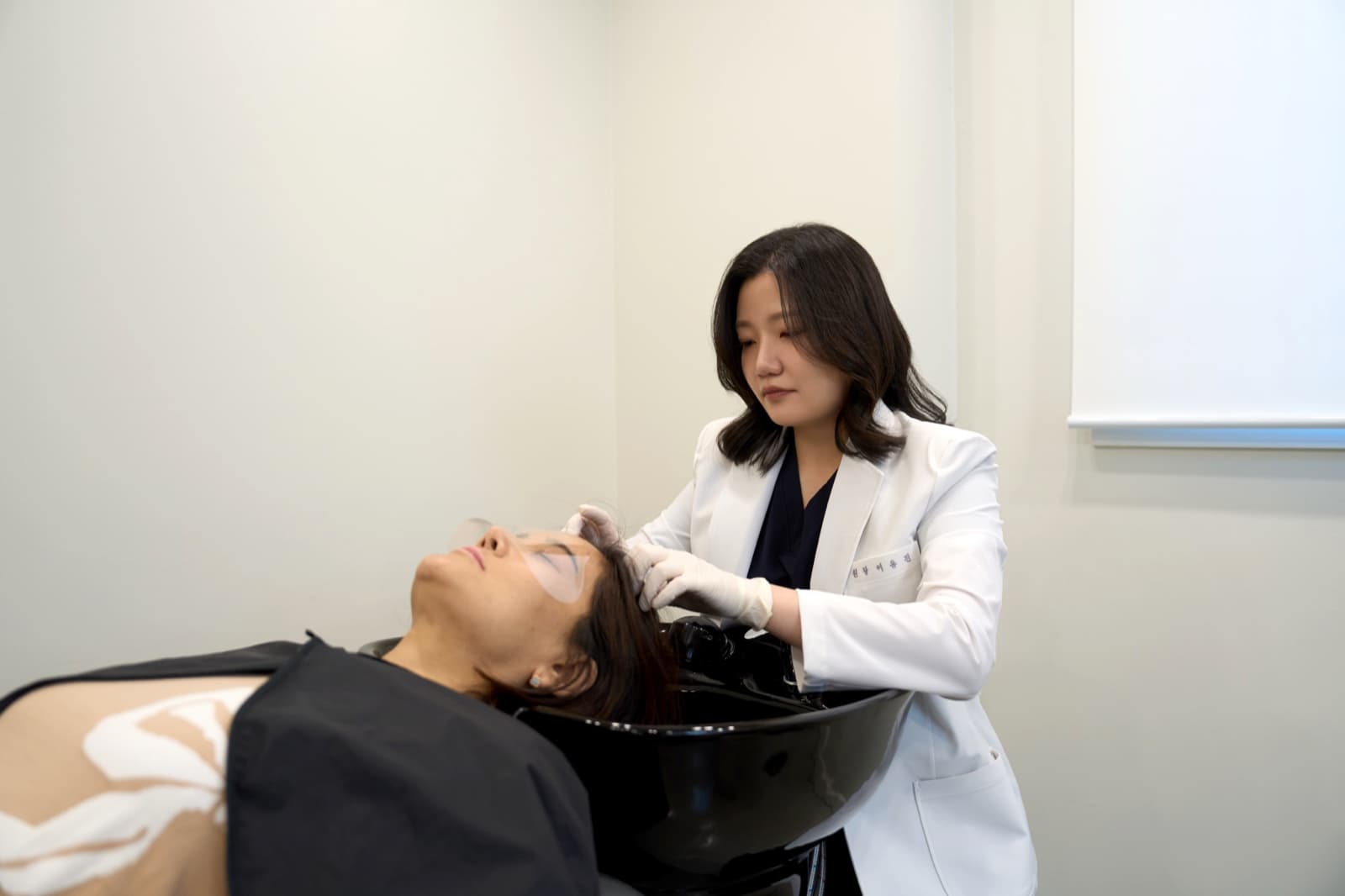
On the day of surgery, gently apply the dressing shampoo provided by the clinic to the recipient area, cover it with wet gauze and let it soak for 3 to 5 minutes, then peel off the gauze with lukewarm water and rinse under running water. The dressing shampoo contains chlorhexidine, a disinfecting ingredient, so there is no need to apply additional antiseptic to the scalp. Dry with lukewarm, not-too-hot air. For two weeks after surgery, wash with this gauze shampoo method to protect the transplanted follicles, and after two weeks you can shampoo freely.
Hydrogen peroxide and povidone solutions are cytotoxic and slow the epithelialization of the wound, so they are not recommended. Even if you are concerned about infection, do not apply ointments such as Madecassol or Fucidin, or powdered hemostatic agents, to the wound. If disinfection is needed, a chlorhexidine solution is appropriate.
SWELLING & PAIN
How to relieve swelling, fluid discharge, and pain
Because a local anesthetic and saline are injected during surgery, the forehead may swell for about the first three days. About 97% of patients get through this without significant swelling, while in some the swelling descends around the eyes. Forehead swelling subsides faster with a cold compress, and swelling that has descended around the eyes with a warm compress and massage.
- Fluid discharge: the pinkish fluid that stains the pillow is a mix of injected solution and a small amount of bleeding. It may appear for up to three days, so place a hygiene pillow sheet down before sleeping.
- Sleep: with non-incision, you may sleep comfortably on a pillow. The idea that you must sleep sitting up applies to incision surgery.
- Pain: taking acetaminophen (Tylenol) together with the prescribed anti-inflammatory pain reliever during the nighttime hours when the anesthesia wears off can effectively reduce pain.
EXERCISE
When can you start exercising
When to resume depends on the intensity of the exercise and the surgical method. For both incision and non-incision, within two weeks after surgery only light walks that do not greatly raise heart rate and blood pressure are recommended. This is because transplanted follicles have mostly taken hold by two weeks and the outer layer has recovered to some degree, reducing the risk of infection.
| Surgical method | High-intensity exercise / bending motions |
|---|---|
| Non-incision | Possible after 2 weeks (shallow tissue damage means faster recovery) |
| Incision | Recommended after 4 weeks (tension on the suture line can cause the wound to open) |
High-intensity intervals, weights, swimming, and bending to lift heavy objects are best started after the timeframes above, once your progress has been confirmed.
HYPERBARIC OXYGEN
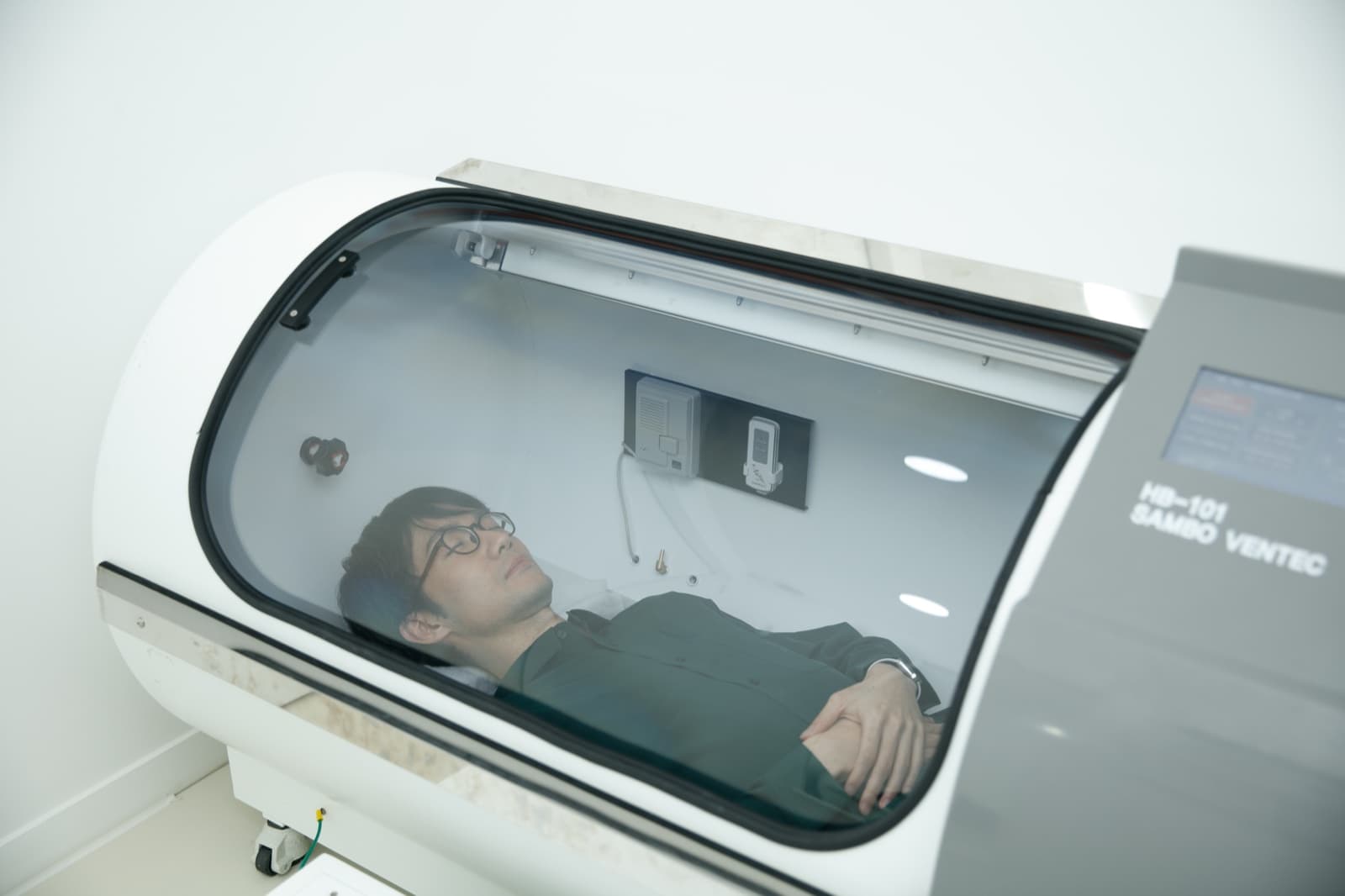
Hyperbaric oxygen therapy that supports recovery
Hyperbaric oxygen therapy raises the partial pressure of oxygen in the blood by inhaling high-concentration oxygen under high atmospheric pressure. It boosts metabolism and reduces inflammation, and is used to promote post-op recovery and prevent swelling; research indicates it can reduce itching, folliculitis, and shedding of surrounding hair. Because it reduces bruising and swelling, it is particularly recommended for those who need to return to work right away.
In the patient group that received hyperbaric oxygen therapy, the proliferative capacity of hair follicle stem cells and the level of PCNA, a marker of dividing cells, were observed to be significantly higher than in the general patient group.
HOME CARE
A home care kit to continue at home
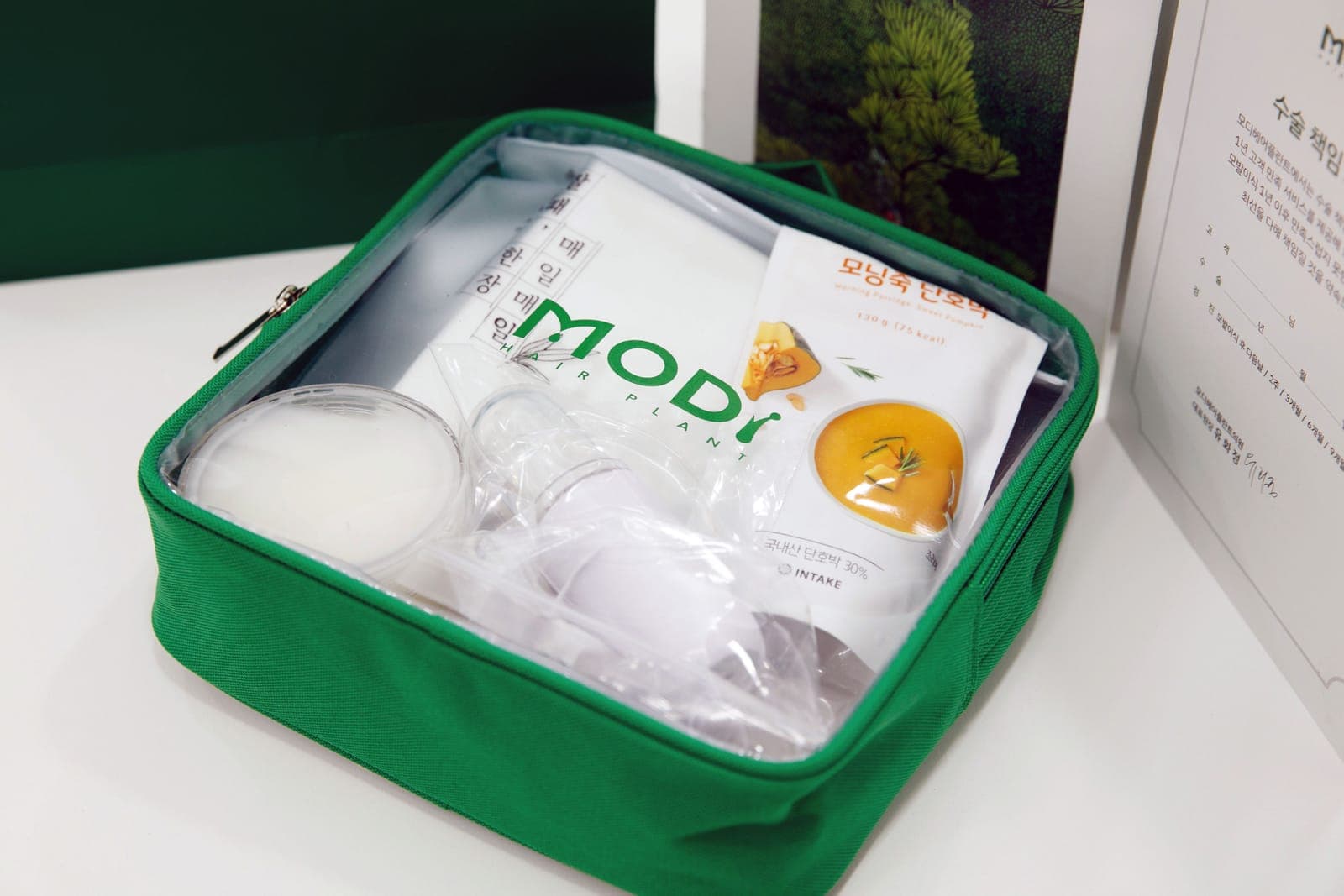
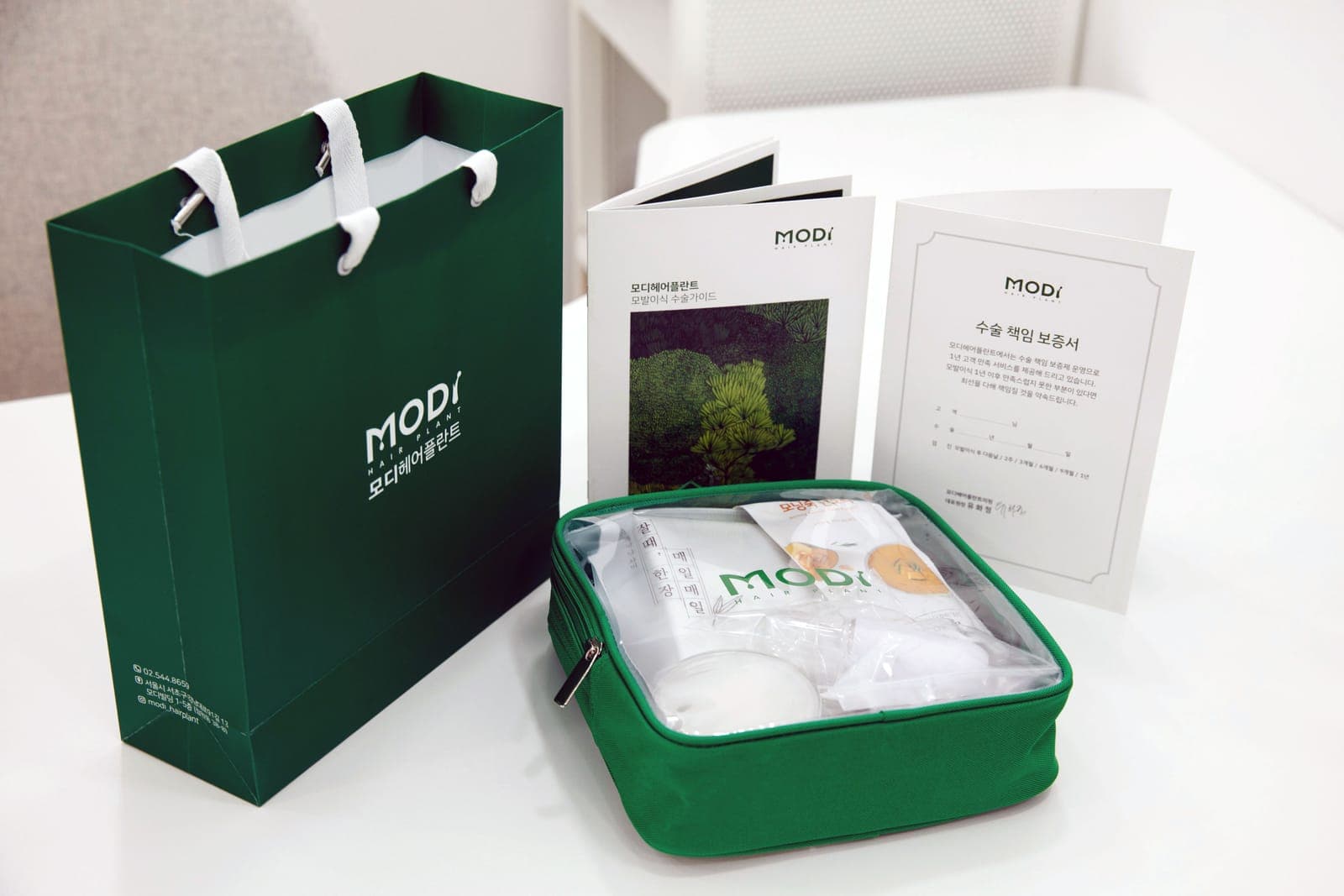
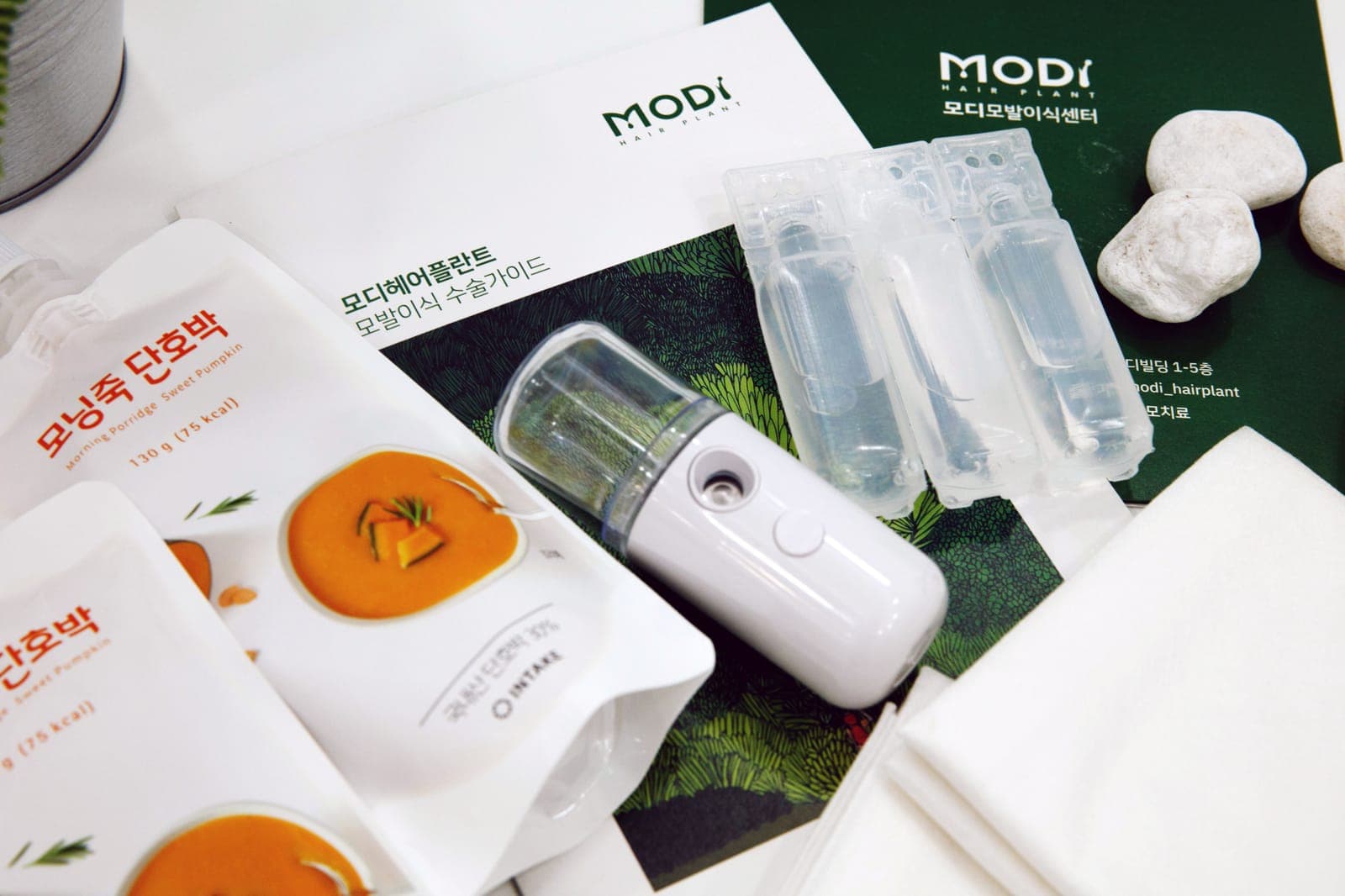
We provide a home care kit so you can manage your recovery safely at home. It includes a graft survival spray we researched and made ourselves, rather than an off-the-shelf product.
Dressing shampoo
A shampoo containing the disinfectant chlorhexidine, used for the 2-week gauze shampoo method to prevent infection and inflammation.
Graft survival spray
Made with slightly acidic hypochlorous acid water (HOCL), spray it frequently when the surgical area feels dry or tight to moisturize and disinfect.
Hygiene pillow sheet
Pinkish fluid may stain the pillow for up to 3 days, so sleep with a sheet down and replace it with a clean one each day.
Swelling-relief ice pack
To prevent swelling during the first 3 days, apply it as a cold compress to the forehead, not to the surgical area.
Disposable hygiene cap
Covers the thick dressing gel applied on the day of surgery and keeps the recipient area from drying out or follicles from falling off.
Anti-inflammatory pain reliever
Take it when in pain on the night of surgery as the anesthesia wears off; using it together with Tylenol is effective.
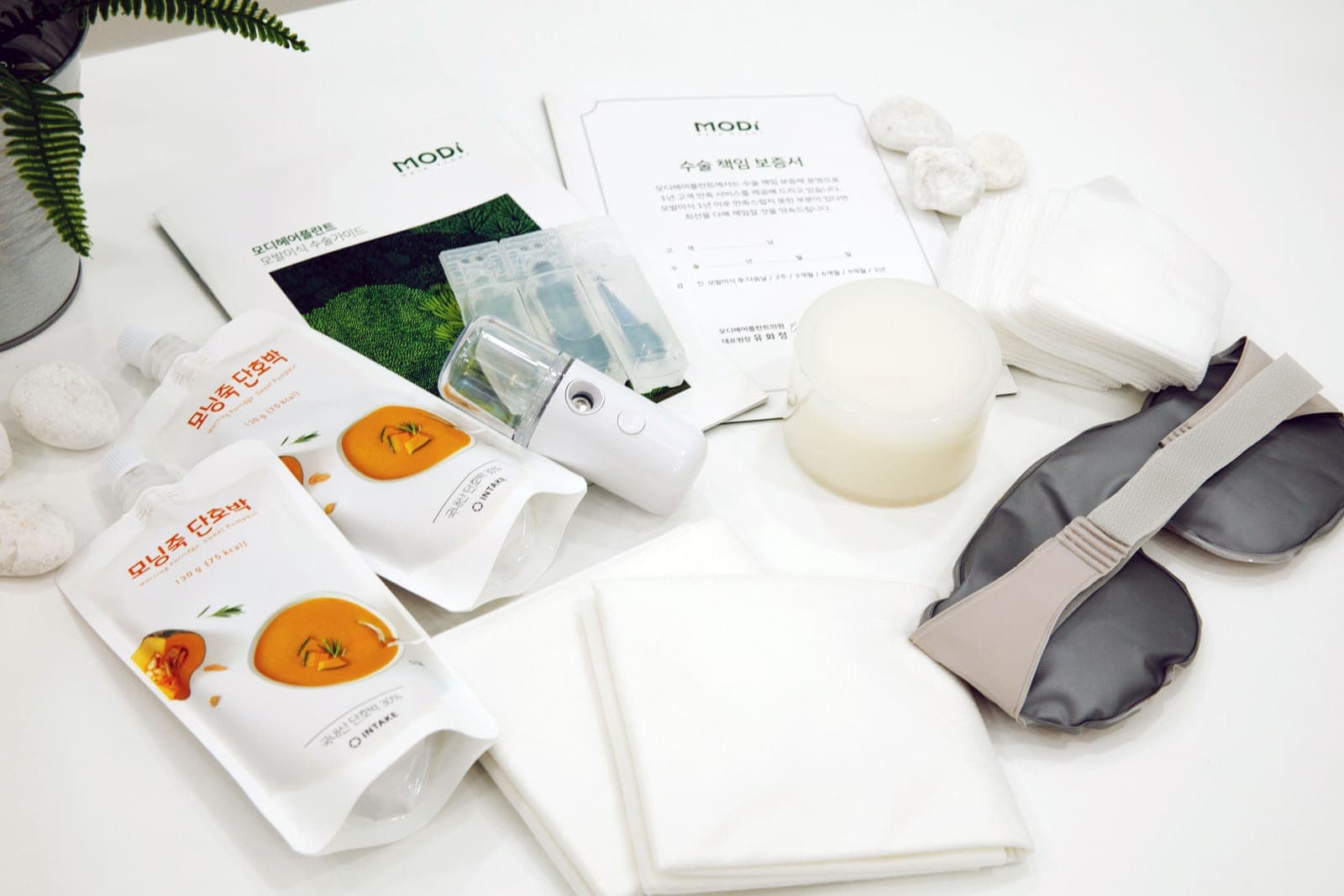
Drinking and smoking after surgery can affect the graft survival rate, so we recommend abstaining from alcohol for one week and from smoking for two weeks. For meals, focus on protein-rich lean meat and fish, nuts, and vegetables, and it is best to avoid food that is too salty or spicy and fried food.
CARE PROGRAM
Stage-by-stage scalp care and follow-up visits
During recovery, scalp radiofrequency soothes the scalp made sensitive, and at 3, 6, 9, and 12 months, HairCell magnetic field therapy, electroporation, far-infrared therapy, and the like support hair growth and regeneration. The same medical staff follow your progress from consultation through surgery and post-op care, and if you have questions or any uncomfortable symptoms, you can visit anytime to be checked.