Modi Hair Plant
Through the case of a woman in her 30s whose hair loss covered a wide area and who also lacked sufficient donor hair in the occipital region, we look at why non-surgical treatment was considered before a hair transplant. We summarize the hair follicle stem cell treatment progress shown in the video—before treatment, at 3 months, and at 11 months—along with points to keep in mind when interpreting the case.
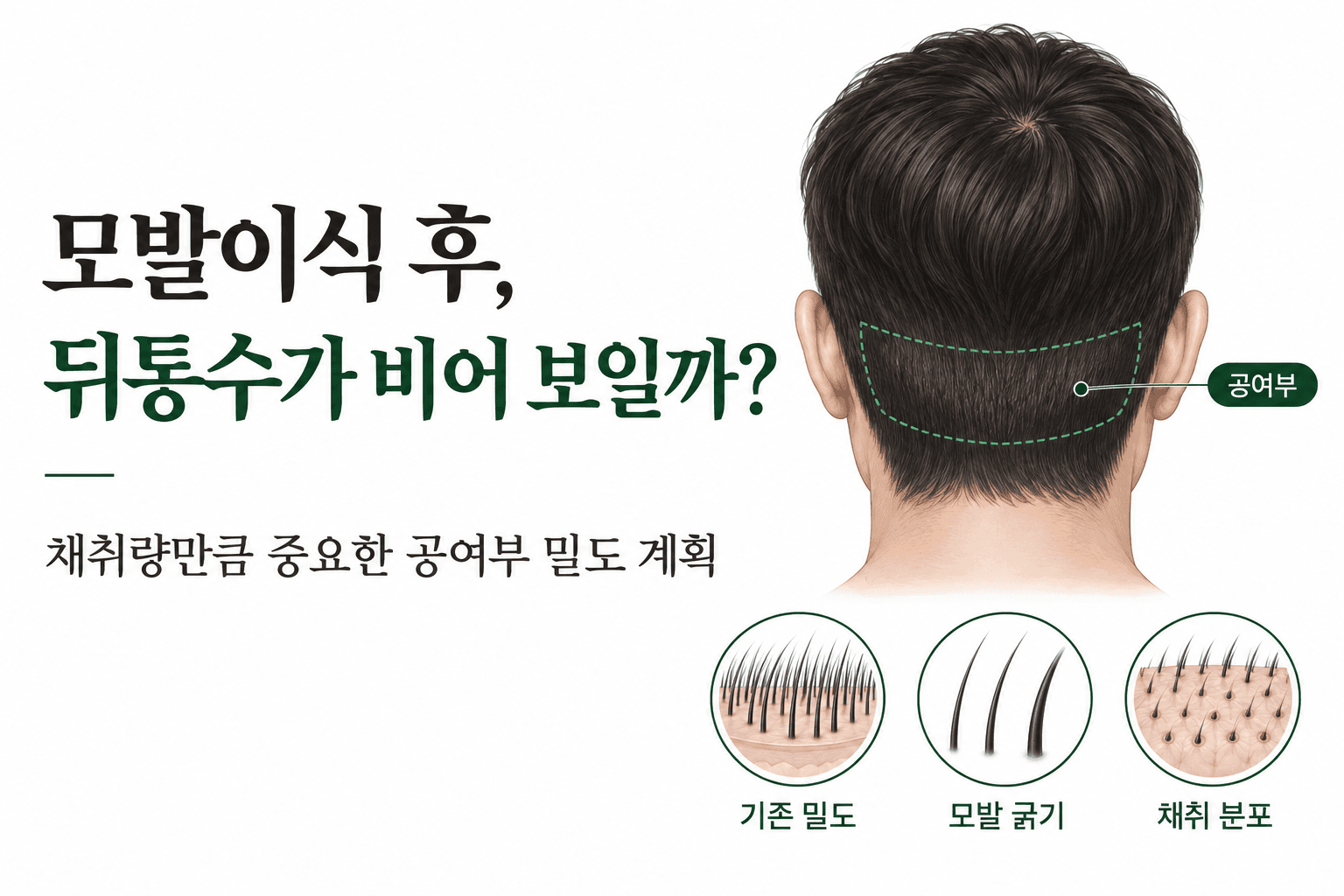
After a hair transplant, the appearance of the back of the head can vary depending not only on the harvesting volume but also on existing density, hair thickness, harvesting distribution, and hairstyle. This article outlines donor area planning for non-incision hair transplants and the points to check even with the no-shave method.
We look at what non-incision and no-shave each mean, and summarize the hair length and harvesting area to check for partial-shave, no-shave, and long-hair methods. We also outline points to confirm during consultation rather than judging by the procedure name alone.
We examine how the introduction of the oral minoxidil 2.5mg formulation has changed the convenience of tablet splitting and costs. We also outline off-label use for hair loss treatment, the difference between product strength and the actual dose taken, and points to check before a prescription.
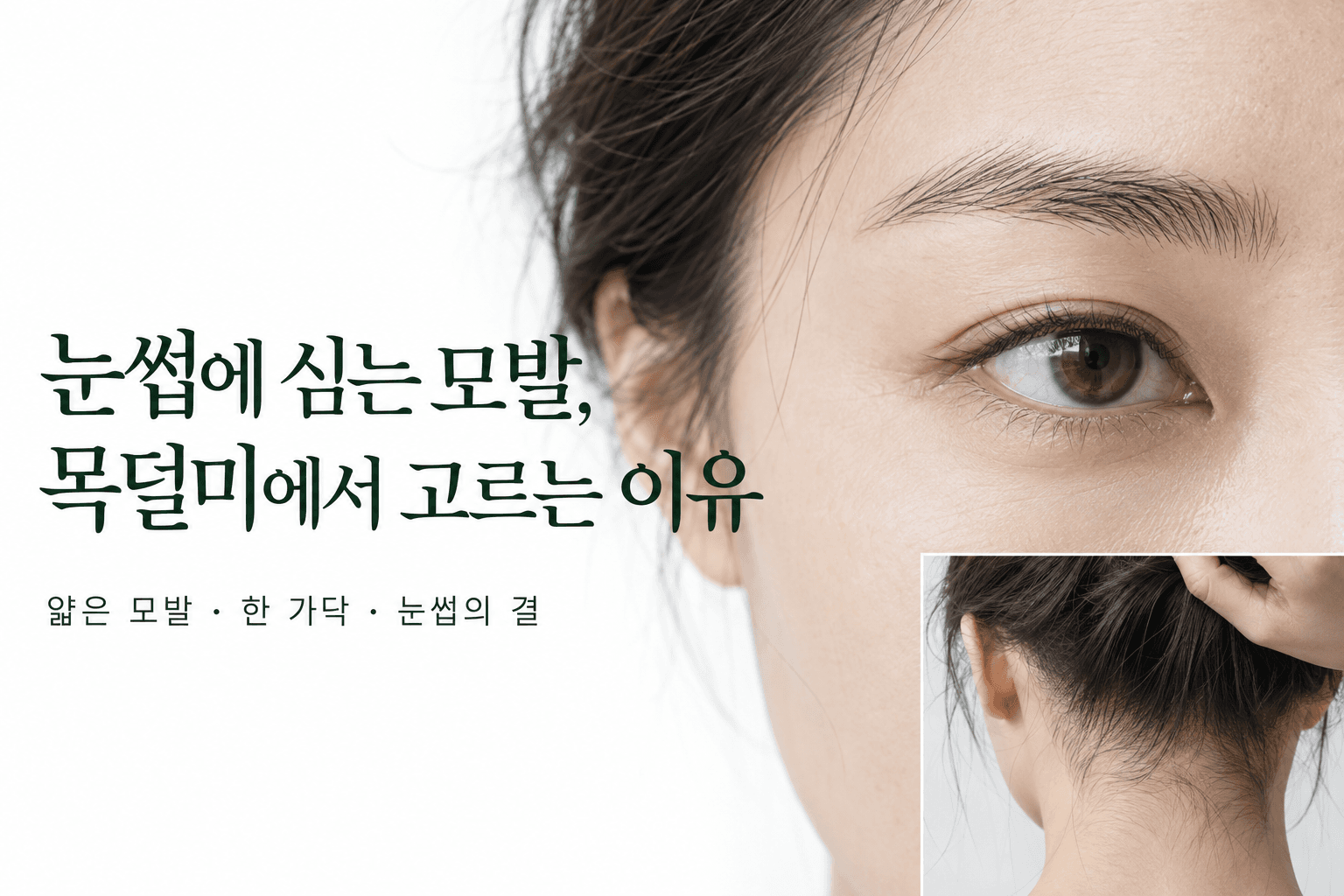
An explanation of why Modi Hair Plant uses fine single-hair follicles from the nape of the neck for eyebrow transplants, along with a look at direction, angle, and hair curvature by eyebrow area, as well as post-operative care.
What creates the impression of an actress's hairline? Based on a video explanation by Director Yoo Hwa-jung of Modi Hair Plant Clinic, we examine the temple peaks, the ends of the eyebrows, and how the side hair connects, and outline consultation criteria for a female hairline design that suits your face.
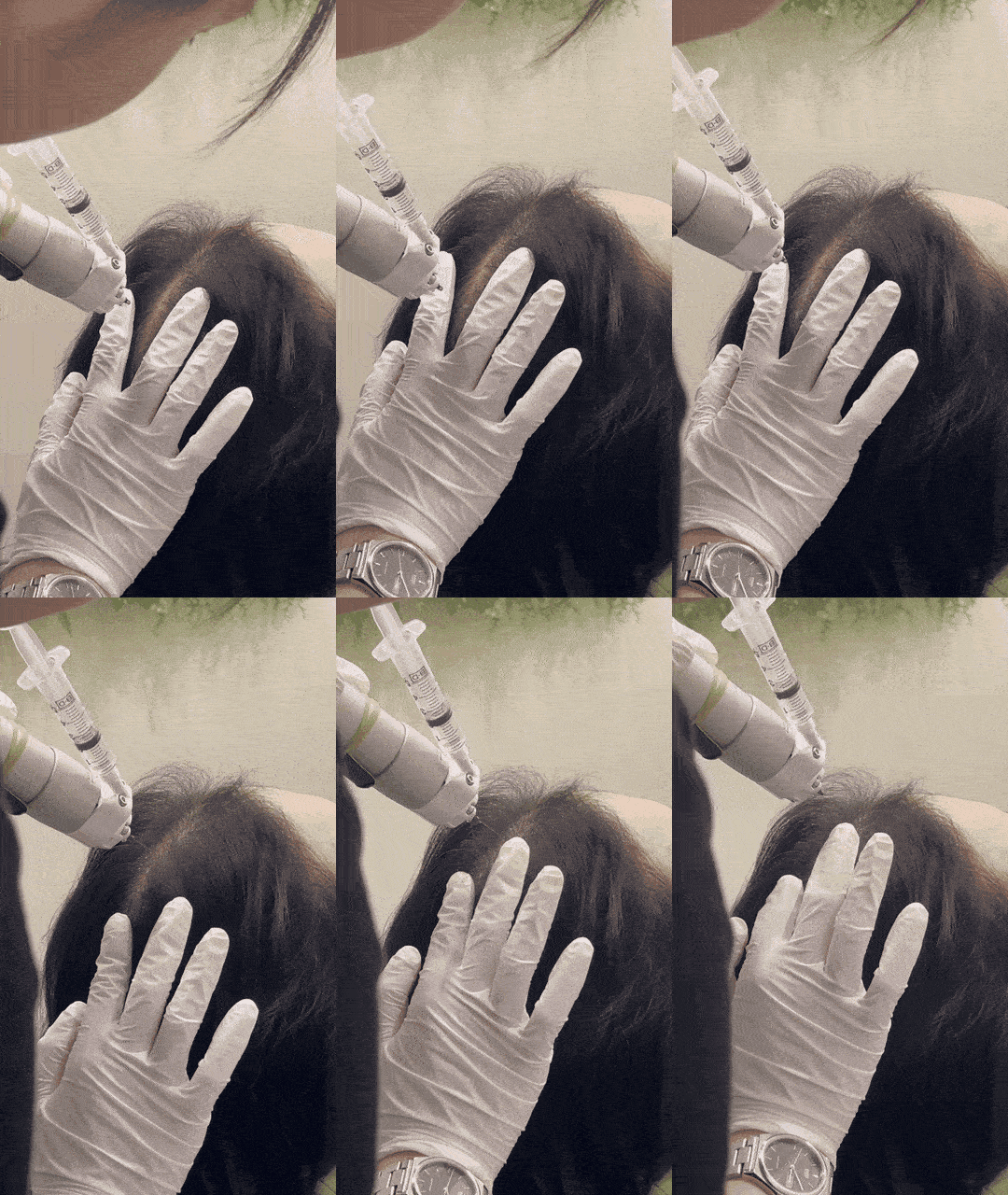
CureJet hair loss treatment may be considered for hair loss in which existing hair remains but has become thinner and less dense, rather than for areas where hair has already completely disappeared. In particular, it can be used to manage hair loss in areas where existing hair remains, such as the crown, and the treatment approach may vary depending on the current condition of the hair and the degree of hair loss progression. Having hair loss does not mean that everyone receives the same treatment. How much hair remains […]
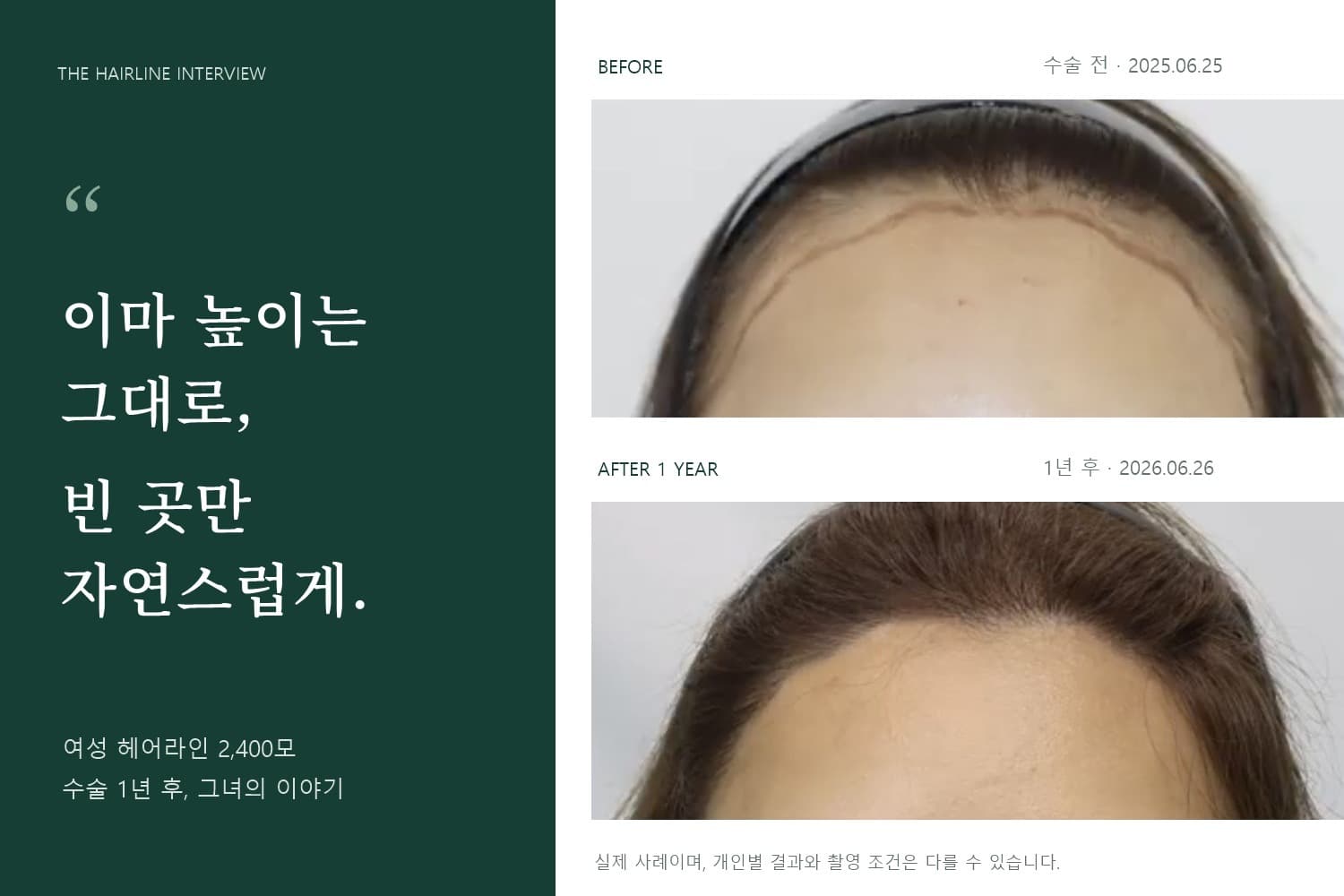
This is a 1-year post-transplant interview with a woman in her 20s who wanted to address a hairline that looked sparse, rather than lowering her forehead further. Along with before-and-after photos of her 2,400-hair transplant, we look at her design consultation, recovery experience, and points to check before surgery.
Visible scalp in a photo of the back of your head is not always a sign of hair loss. Based on an explanation by Director Yoo Hwa-jung, this article outlines why a hair whorl at the back of the head can stand out, the changes to check for when distinguishing it from hair loss, and styling and coverage methods.
If you are considering a hair transplant abroad, what should you check besides price and reviews? Based on infection cases reported in academic journals, we outline who performs the surgery, infection control, follow-up care after returning home, management of complications, and post-operative symptoms to watch for.
Do you feel like you lose more hair every autumn — is it because of the change of seasons? Drawing on research into the seasonality of hair, this article outlines 4 things to check, including the duration of shedding, the affected area, hair thickness, and accompanying symptoms, as well as signs that indicate a hair loss consultation may be needed.
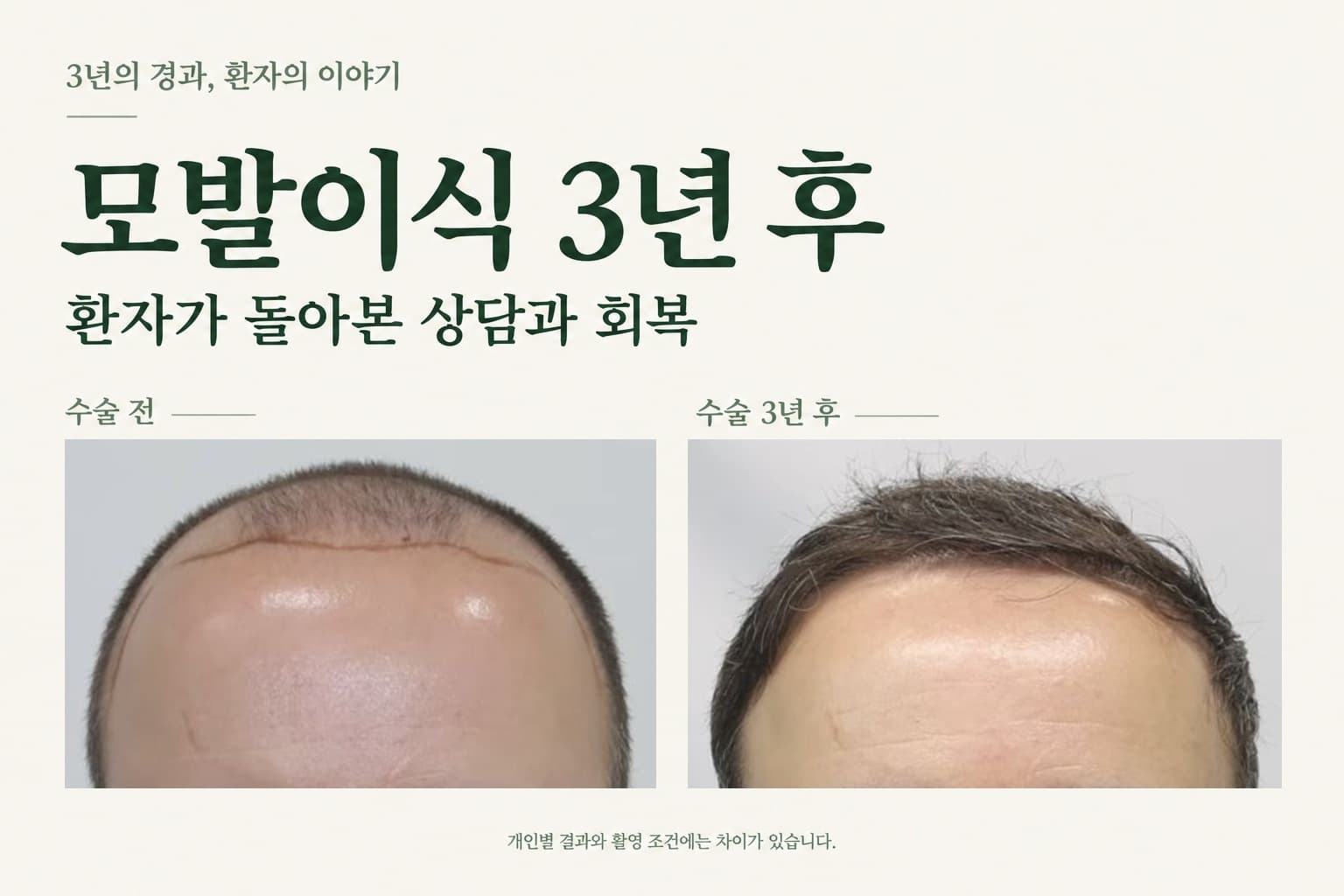
Through an interview with a patient three years after a hair transplant, we look at the reasons the patient hesitated about surgery, what was confirmed during the consultation, post-surgery shampooing and washing care, and the changes felt in daily life. Based on the patient's individual experience, we have summarized points to check during the consultation and recovery process.