
Aftercare Following Hair Transplant · Sleeping Position
On the night of surgery, is it okay for the back of your head to touch the pillow?
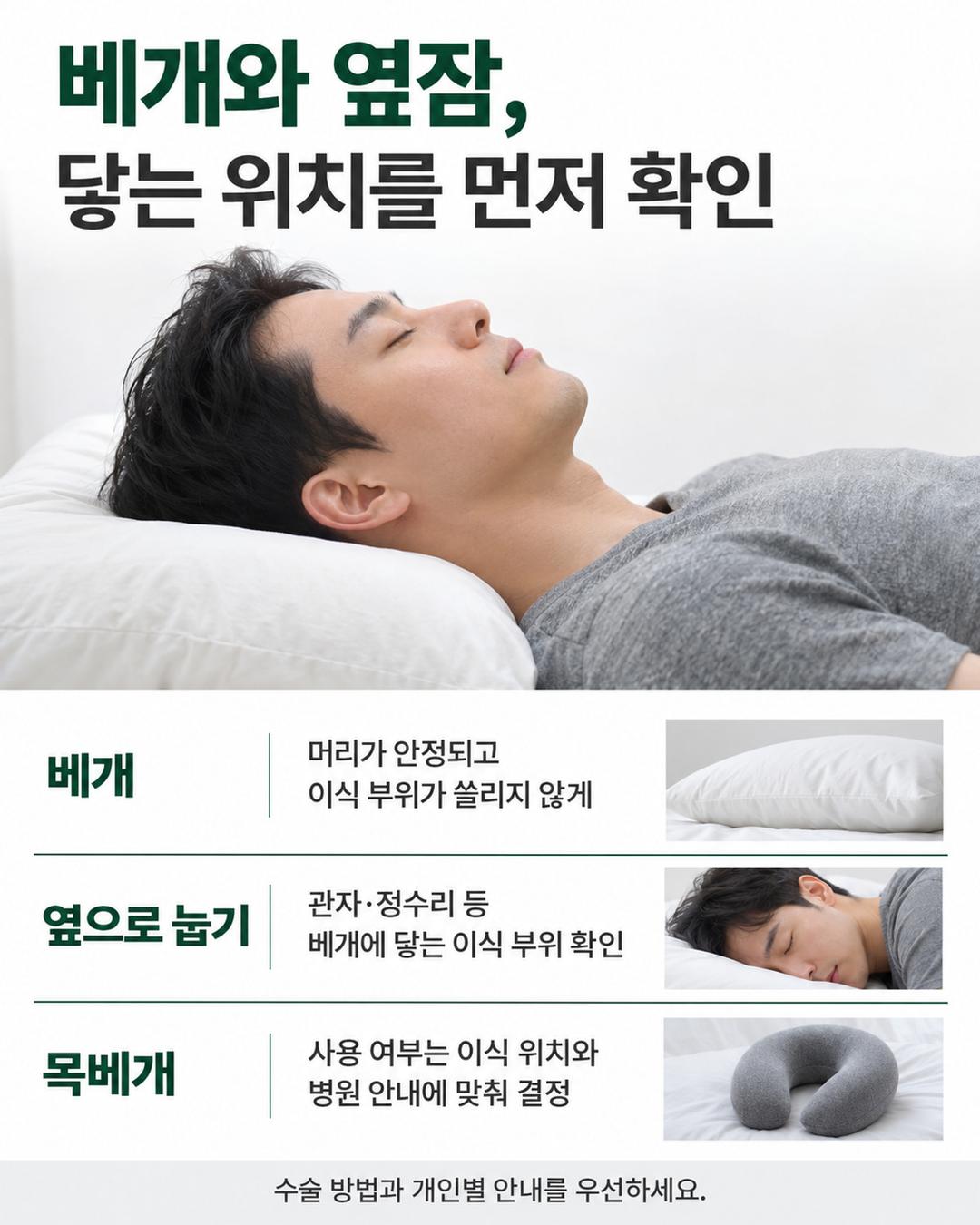
At Modi Hair Plant, we advise that you may rest your head on a pillow and sleep comfortably after a non-incision hair transplant. When preparing for bed, please check whether the newly transplanted area is pressed or rubbed by the pillow. The point of contact differs depending on whether the transplant was in the hairline, temples, or crown.
3-Line Summary
- After non-incision surgery, you may sleep comfortably on a pillow, but check where the transplanted area makes contact.
- Side sleeping and the use of a neck pillow are decided according to the transplant location and your individual recovery instructions.
- Use a clean hygiene sheet on your pillow, and contact the clinic if bleeding continues or pain is severe.
First, distinguish the donor area from the recipient area
The donor area is where the hair follicles were harvested, and the recipient area is where the hair follicles were newly implanted. In a hairline transplant, follicles may be harvested from the back of the head and implanted along the edge of the forehead. If the crown was also transplanted, you should check whether the pillow touches the recipient area at the back as well.

How should you choose pillows, side sleeping, and neck pillows?
Check where the pillow makes contact
When using your usual pillow, check that your head rests stably and whether the recipient area is pressed or rubbed. If your neck is bent or uncomfortable, you may consult the clinic about pillow height and position.
For side sleeping, also consider the transplant location
When lying on your side, the temples or side hairline may touch the pillow. If the crown was transplanted, also check for contact when you turn your head. Please receive guidance on when to begin side sleeping based on the surgical site and your progress.
Some people find a neck pillow comfortable, but depending on its shape, it may press on the surgical site or make your neck uncomfortable. If you plan to use one, please show its shape to the clinic and confirm. If you had incision surgery, follow sleep instructions that also take into account the condition of the suture site at the back of the head.
What should you do if pinkish fluid gets on your pillow?
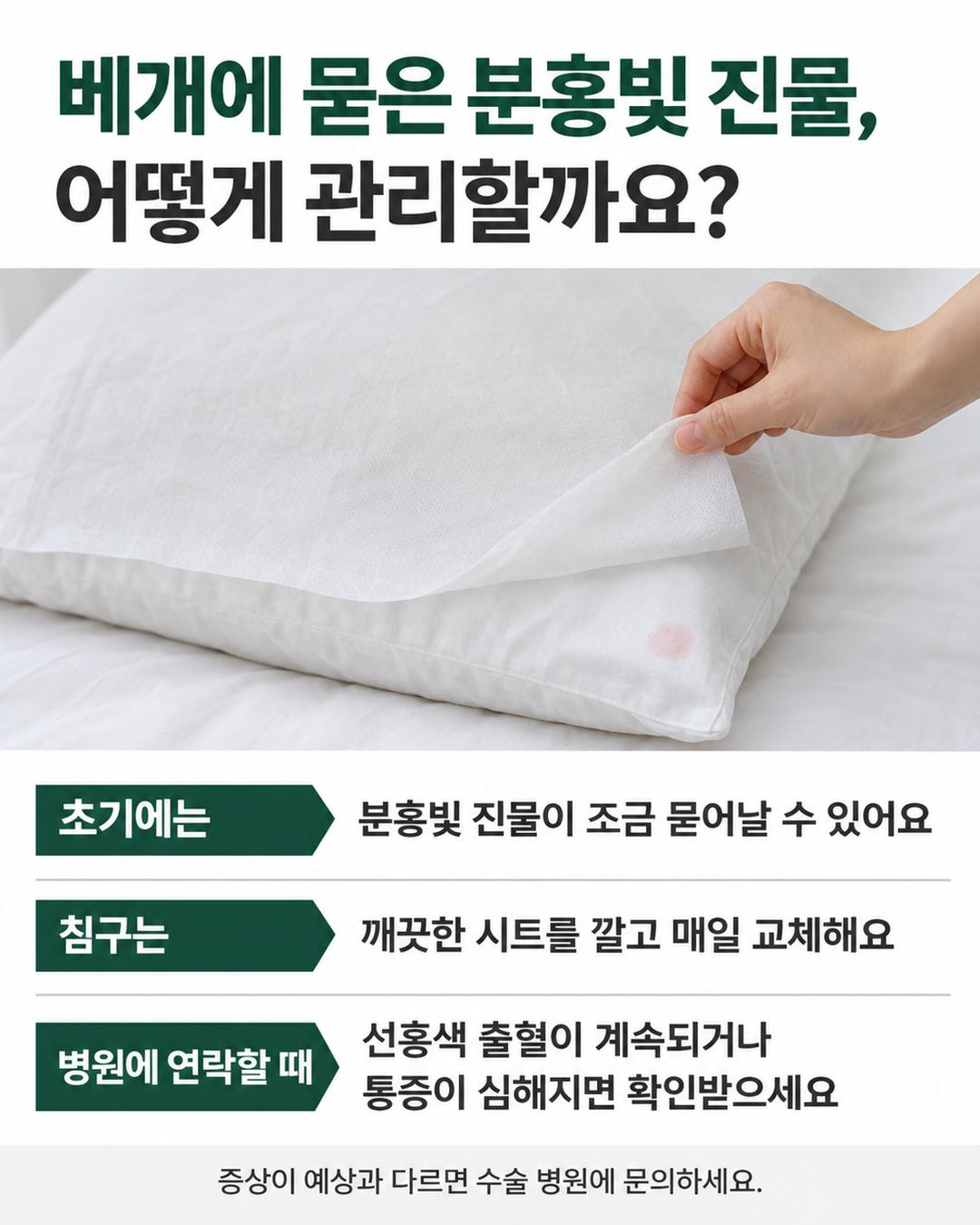
Modi's post-operative instructions explain that during the first few days, pinkish fluid—a mixture of the injected solution and a small amount of blood—may seep out. Place a hygiene sheet on your pillow and replace it with a clean one every day. If bright red bleeding continues or increases, or pain worsens, please inform the clinic of your condition. Modi Post-Operative Care Guide
If you touched the recipient area in your sleep, what should you check?
It is difficult to judge graft survival based solely on the fact that contact occurred. Rather than repeatedly rubbing the area or removing scabs to check, please note how many days it has been since surgery, where and how contact occurred, and whether bleeding or pain has changed. Taking a photo of the current condition in good lighting and sending it to the clinic can help in checking your progress.
If severe pain or unexpected symptoms occur, contact the clinic where you had surgery promptly for guidance. NHS Hair Transplant Recovery Guide

Why to be careful about friction early on
A study of 42 hair transplant patients examined whether grafts came out when transplanted hairs or attached scabs were pulled at different times after surgery. This data shows that caution is needed regarding physical pulling forces in the early period. [Reference 1]
This is a small study that evaluated the physical anchoring of grafts. Its application to sleeping positions or pillow products is limited, so the date to begin side sleeping is determined by checking each individual's recovery progress.
Frequently Asked Questions
Do I need to sleep sitting up for several days even after a non-incision hair transplant?
At Modi, we advise that you may sleep comfortably on a pillow after non-incision surgery. Please check your actual transplant location, such as the crown, and your individual sleep instructions.
I had a crown transplant. Can the back of my head rest on the pillow?
You need to check both how far the transplant extends across the crown and where the pillow makes contact. Describe your usual pillow and sleeping position to the medical team to receive individual guidance.
Can I use a neck pillow to sleep without the recipient area touching anything?
It depends on the shape of the neck pillow, how it is worn, and the extent of the transplant. While using it, check whether anything presses on or rubs the surgical site, and decide whether to use it according to the clinic's guidance.
If I see no blood after tossing and turning in my sleep, does that mean everything is fine?
It is difficult to judge the condition of the recipient area by the presence or absence of bleeding alone. Please check which area was touched and how, as well as any subsequent pain or change in appearance. If you notice a concerning change, contact the clinic where you had surgery and include photos.
Ask Modi about sleep care at home, too
Modi Hair Plant Clinic continues to provide post-operative follow-up visits and aftercare guidance. If your sleeping position is uncomfortable or you are concerned about contact with bedding, please let us know the surgical site and your current condition. If you are preparing for surgery, you can also discuss your usual sleeping habits during your consultation.
References and Guidance Materials
[Reference 1] Bernstein RM, Rassman WR. Graft anchoring in hair transplantation. Dermatol Surg. 2006;32(2):198–204. DOI 10.1111/j.1524-4725.2006.32033.x. PubMed PMID 16442039
[Patient Information] NHS. Hair transplant. Patient information on early recovery, protecting the recipient area, and responding to unexpected symptoms. Original source
[Clinic Information] Modi Hair Plant Clinic. Post-Operative Care System. Clinic guidance on sleeping and the use of hygienic pillow sheets after non-incision surgery. Original source
This article is provided for general informational purposes. Care methods and results may vary depending on the surgical method, transplant location, and recovery progress, and individual medical care and the instructions of the clinic where you had surgery take precedence.