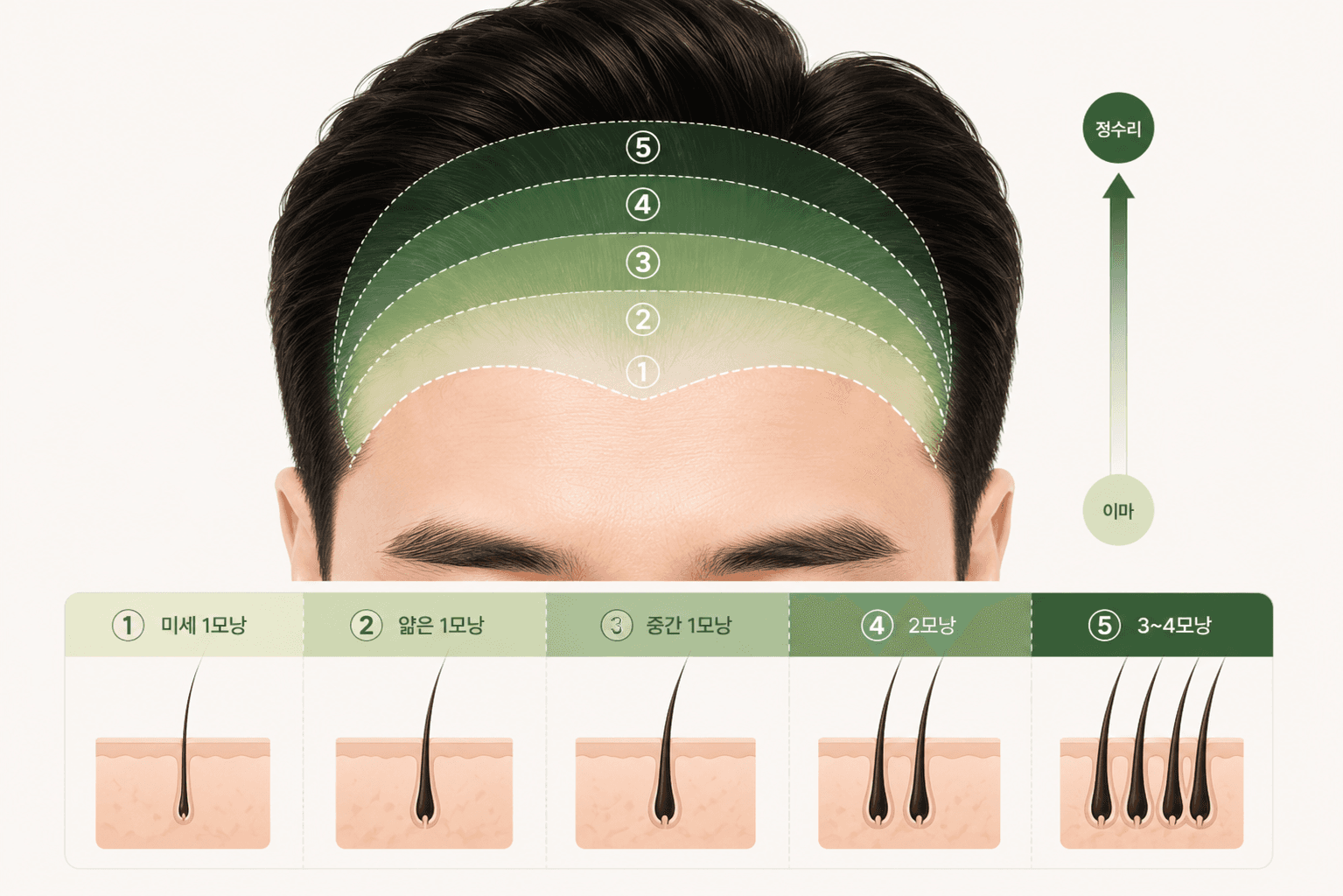
The most important goal after a hair transplant is a ‘natural look.’
The concerns most often raised by people considering a hair transplant are “Will it be noticeable?” and “Will it look too artificial?”
In fact, the quality of a hair transplant is not determined simply by how many hairs were transplanted.
Above all, it is important to create a ‘gradient hairline’ that looks natural at the front and becomes fuller toward the back.
To achieve such natural results, Modi Hair Plant operates a system that classifies each hair follicle in detail.
How is a natural hairline created in a hair transplant?
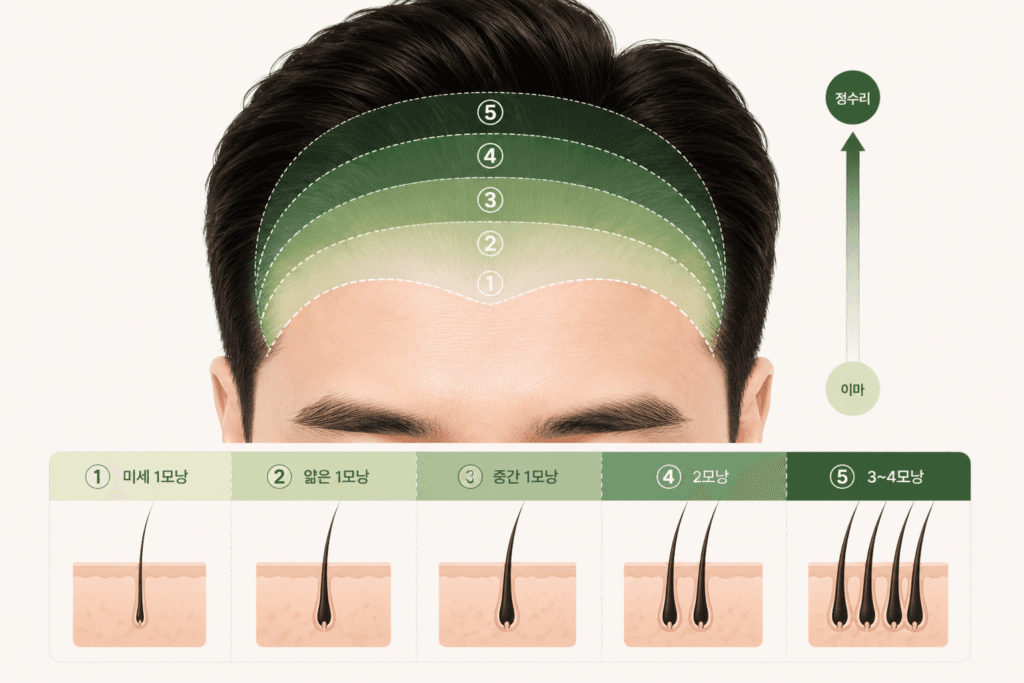
If you look closely at a person’s natural hairline, it is not uniform.
Fine, soft hairs sit at the very front,
and the hair gradually becomes thicker and fuller toward the back.
This natural transition is called a gradient hairline.
If only thick hairs are placed from the start,
the hairline may look unnatural and artificial.
That is why fine hairs should be placed at the front,
medium-thickness hairs in the middle,
and follicles with thicker and more hairs toward the back
to create a natural result that looks like your own original hair.
The key to a hair transplant is ‘follicle classification.’
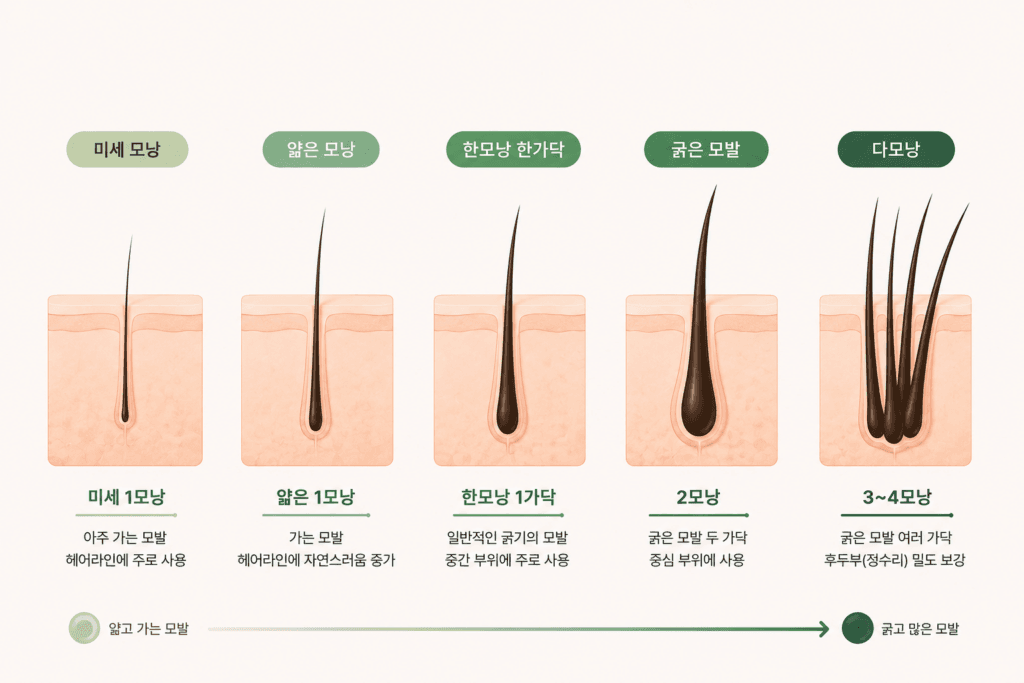
A hair transplant is a procedure in which healthy hair follicles are harvested from the back of the head and transplanted to the areas where they are needed.
However, harvested follicles do not all have the same form.
Some follicles contain only one hair,
while others contain two, three, or four hairs together.
In addition, even among 2-hair follicles, both hairs may be thick in some cases,
while in others one hair is fine and the other is thick.
1-hair follicles can also be further subdivided into fine,
medium-thickness, and thick hairs.
In other words, the number of hairs per follicle alone is not enough;
detailed classification that also considers hair thickness and form is important.
Why a simple 4-compartment classification is not enough
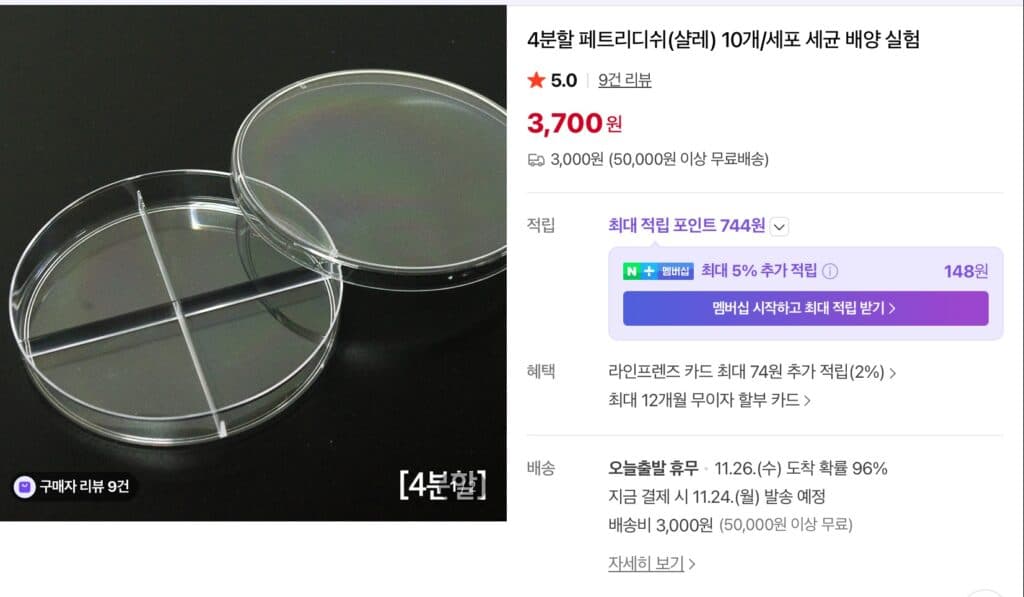
Commonly used follicle sorting containers often consist of 4 compartments.
However, in actual surgery,
the types of follicles are far more varied,
so it is difficult to sort them adequately with only 4 compartments.
Also, because the number harvested differs by follicle type,
making all compartments the same size
can cause some compartments to overflow
while others are barely used.
Ultimately, these issues
can also affect the efficiency and accuracy of the surgical process.
Modi Hair Plant made its own follicle sorting container.
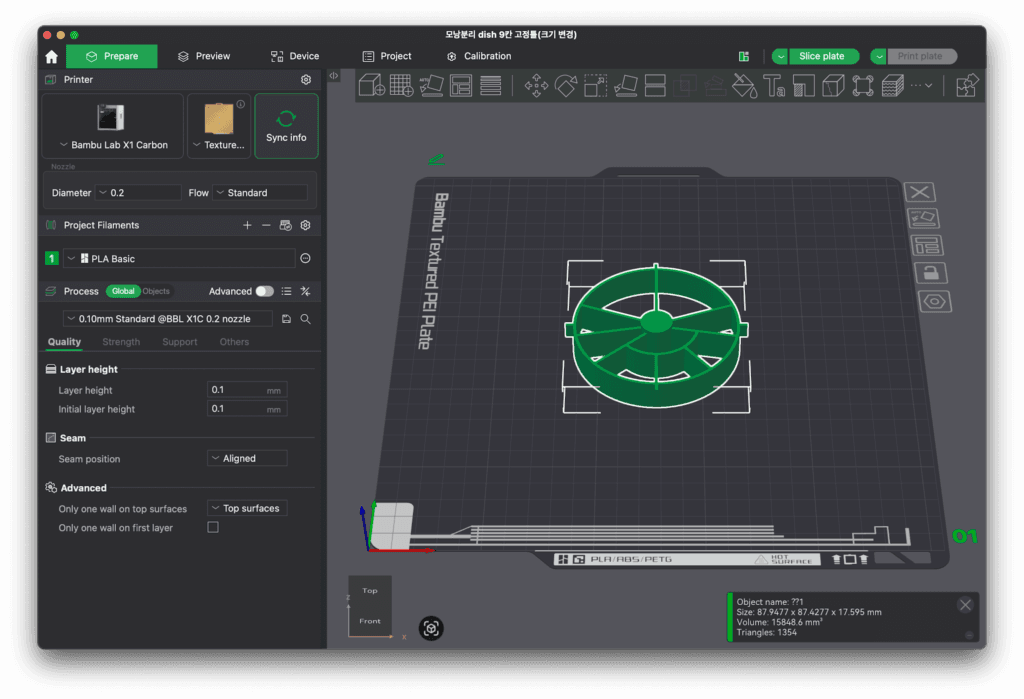
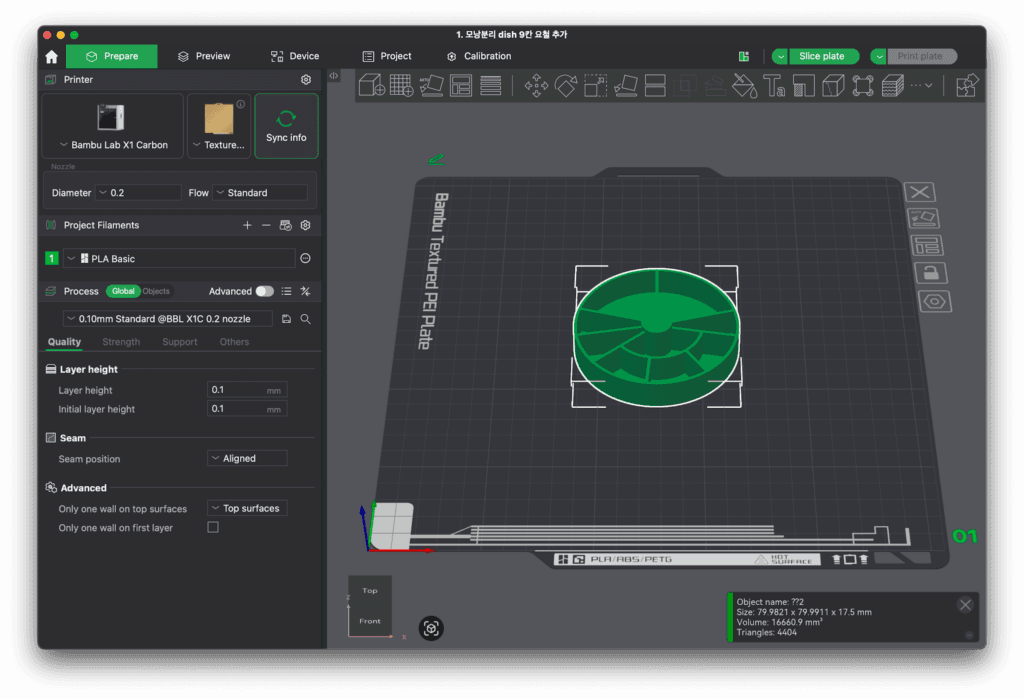
Modi Hair Plant determined that commercially available products alone made it difficult to achieve the desired level of classification.
So, revising the design several times ourselves,
we made a custom follicle sorting container using a 3D printer.
We adjusted the compartment sizes to match follicle types
and continuously improved it to suit the actual surgical environment, arriving at its current form.
A structure designed with the cooling system in mind
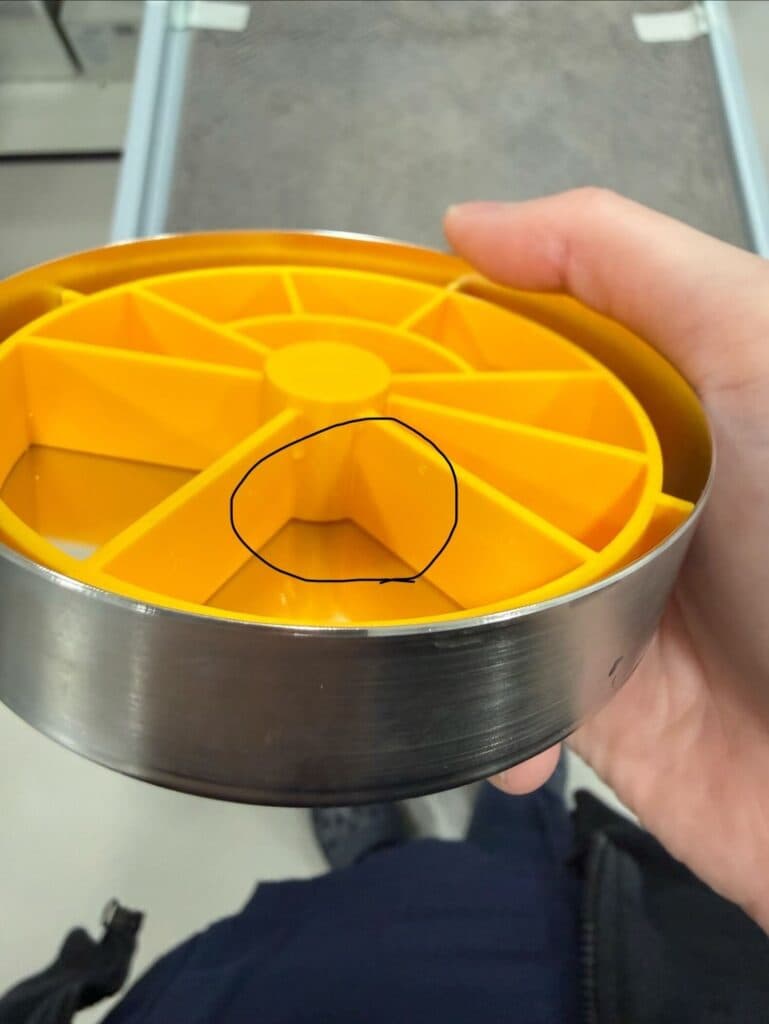
It is important to keep hair follicles in optimal condition even during surgery.
Because plastic has low thermal conductivity, it is difficult to cool follicles sufficiently with it.
For this reason, Modi Hair Plant has used a method of fitting
3D-printed sorting inserts inside a stainless steel cooling container.
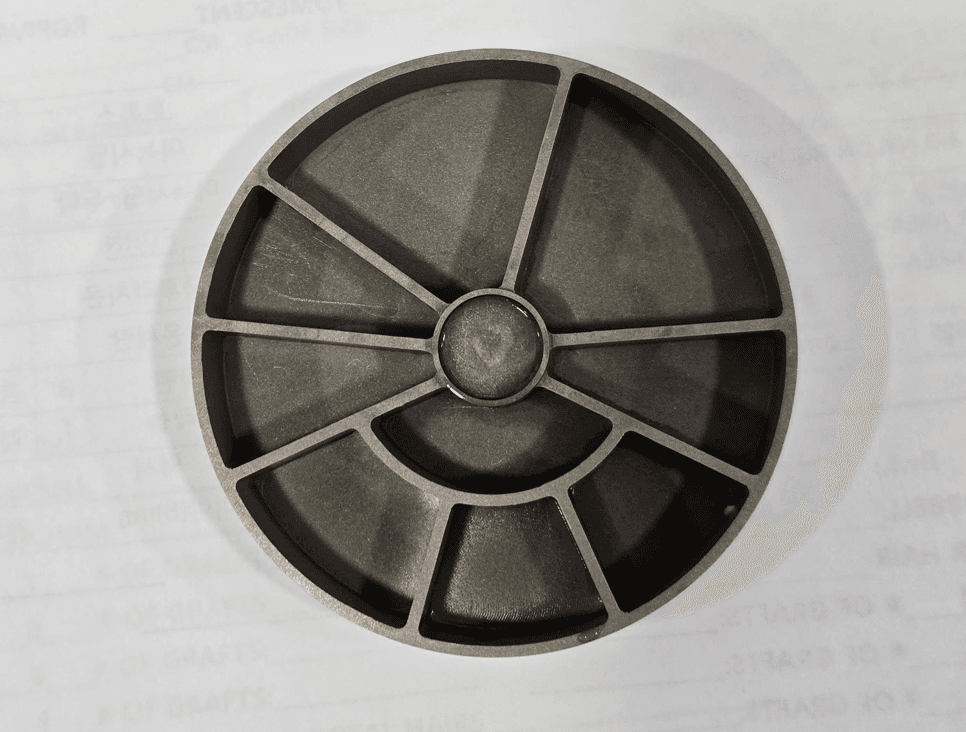
We now use a custom solid stainless steel follicle sorting container, developed through several rounds of improvement, in actual surgery. It is designed to keep follicles in stable condition while enabling more systematic classification.
We will continue to research and improve even the smallest details for better surgical outcomes.
We classify each follicle by checking it under a microscope.
At Modi Hair Plant,
we do not classify follicles with the naked eye.
Using a microscope,
we check the thickness and form of the hairs
and then classify each follicle according to the area where it is suited.
However, if “fine”
and “thick”
are judged
by the human eye alone,
the criteria may vary.
That is why Modi Hair Plant
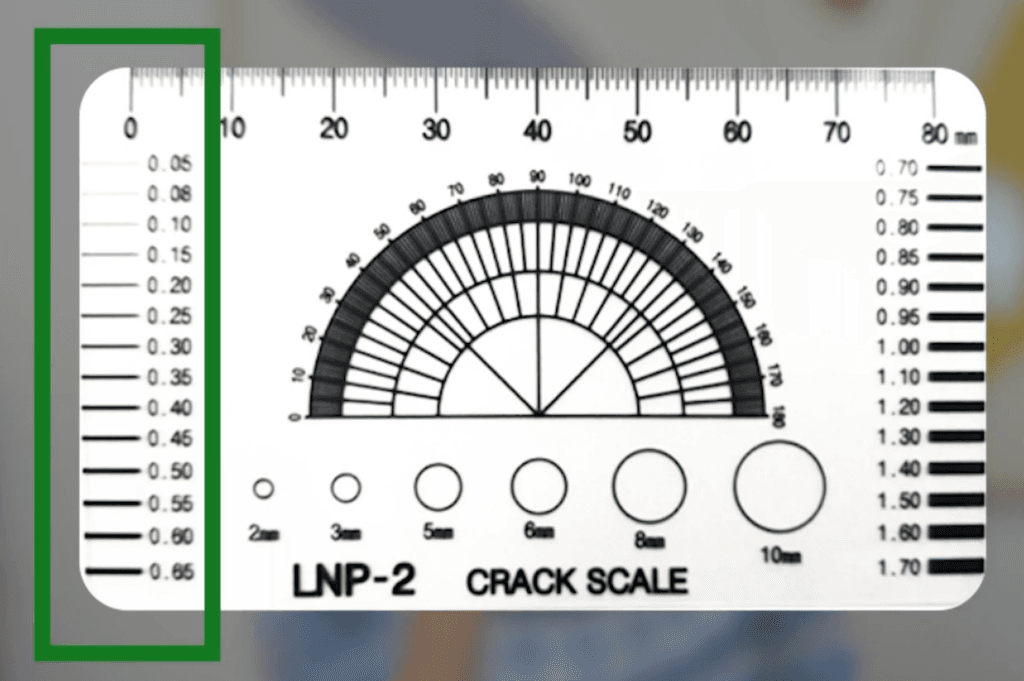
applies a thickness reference plate (micrometer) that can be used under the microscope.
We check hair thickness numerically.
At Modi Hair Plant,
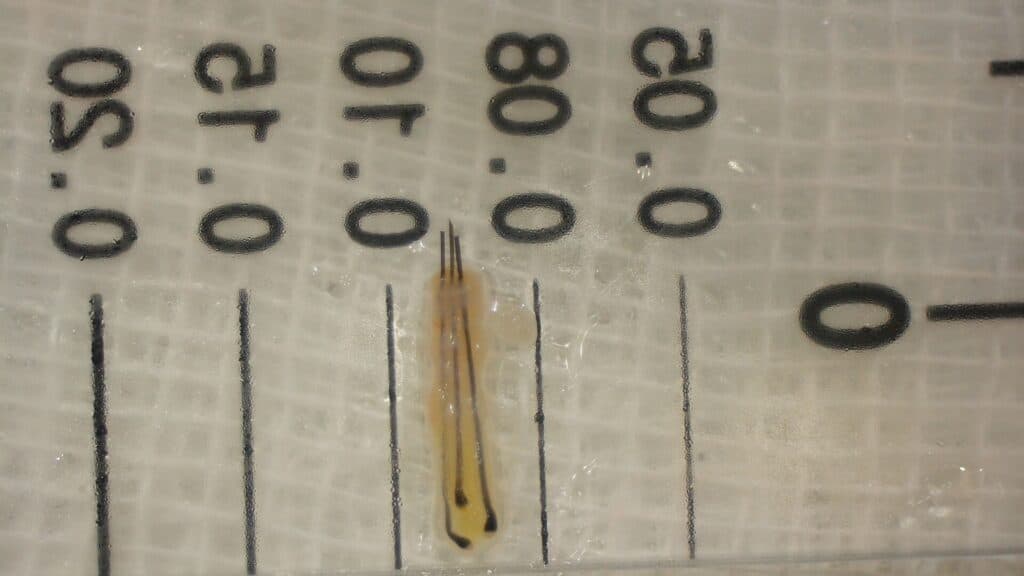
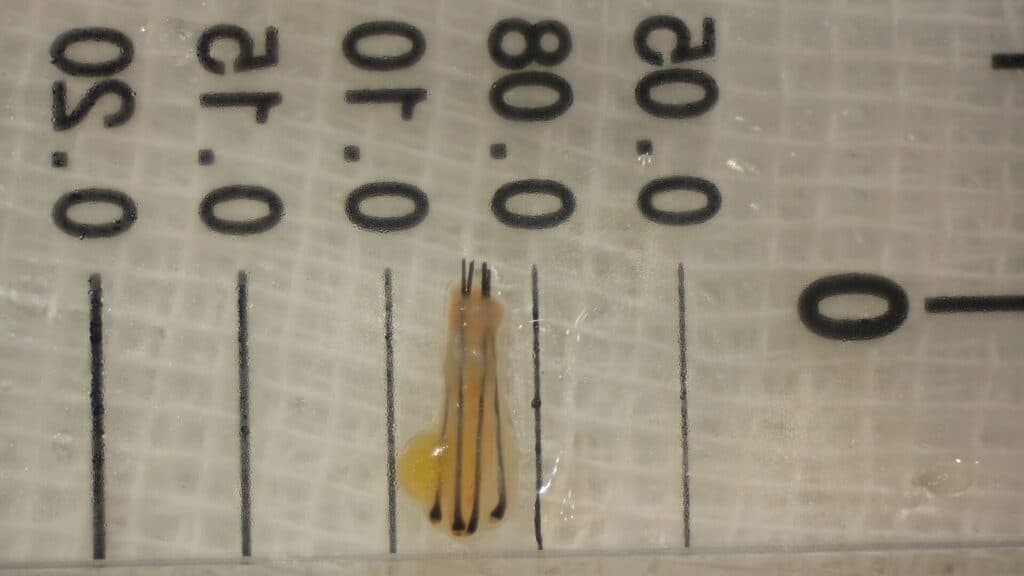
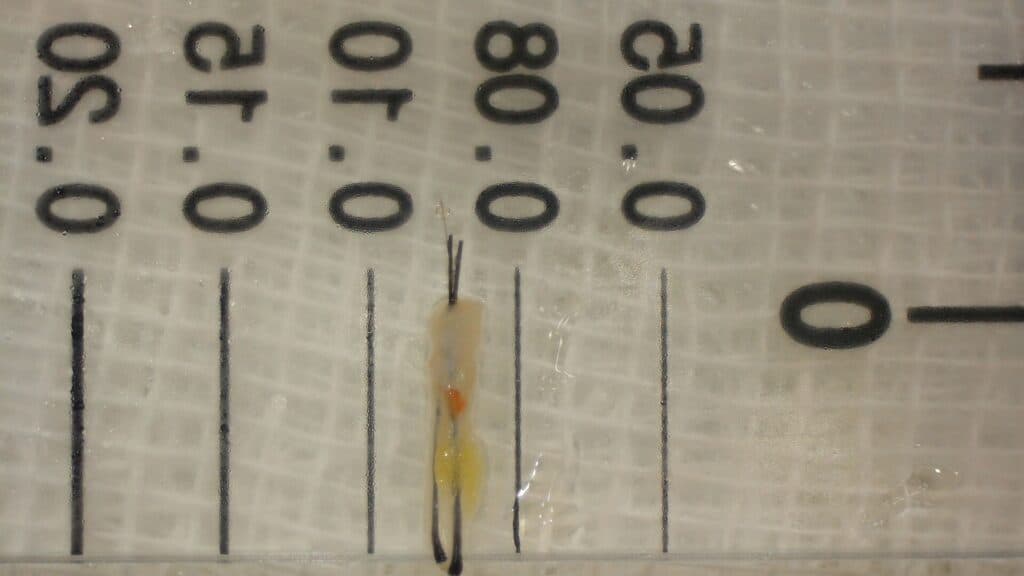
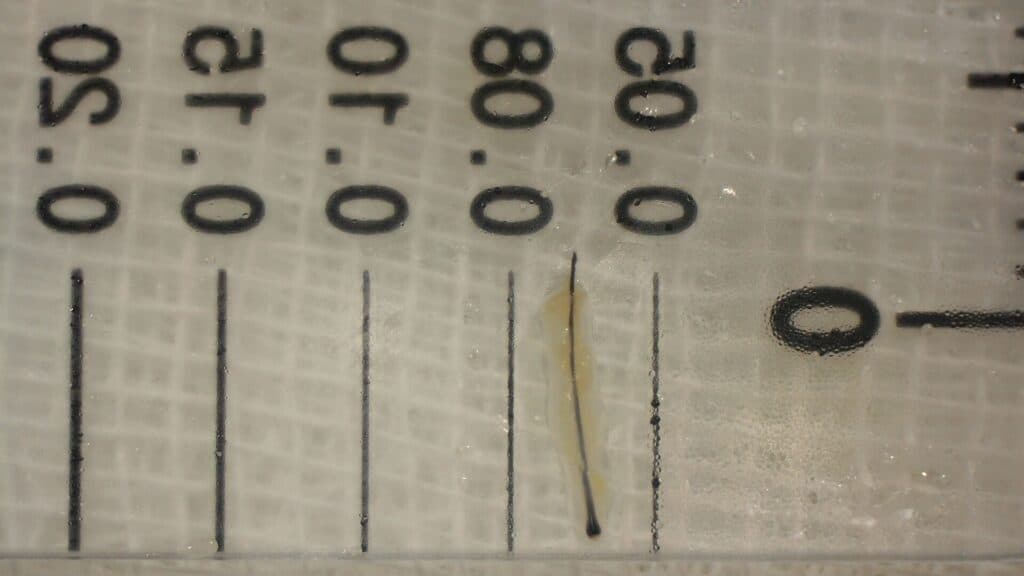
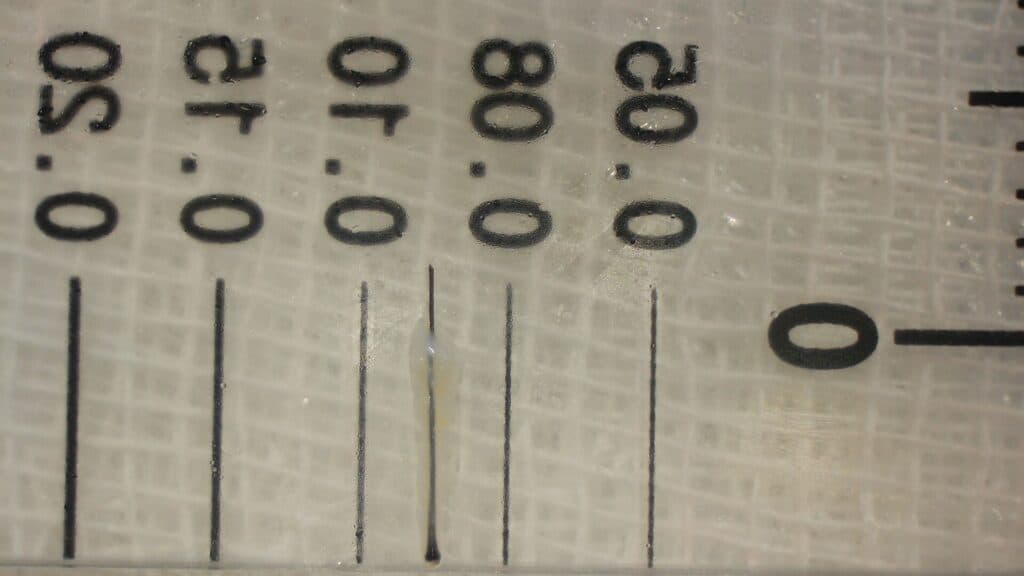
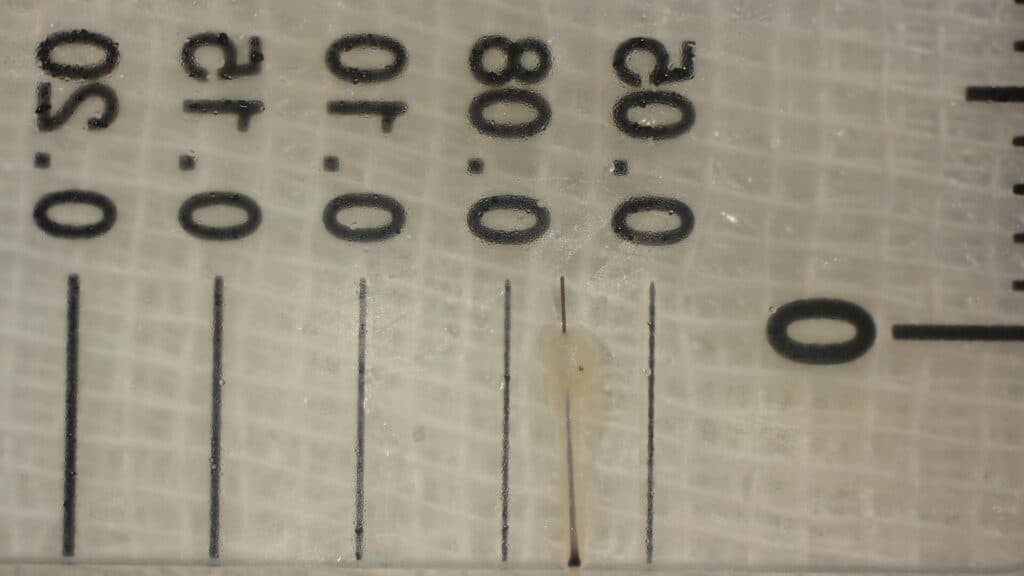
we use a transparent acrylic reference plate
marked with reference lines of
50㎛, 80㎛, and 100㎛.
(Reference plate with the above markings.)
By comparing actual hairs against the reference lines under the microscope,
we classify follicles according to objective criteria.
This system
reduces subjective judgments that may vary from staff member to staff member
and enables more consistent and accurate follicle classification.
We also record how the classified follicles were actually used.

At Modi Hair Plant, the process does not end with simply classifying follicles.
Before surgery, we classify follicles in detail by number of hairs and thickness under a microscope, and transplant the follicles suited to each area according to plan.
After surgery, we issue a transplanted hair count certificate so that patients can see for themselves which types of follicles were actually used, and how many.
The certificate records not only the total number of transplanted hairs but also how many 1-hair, 2-hair, 3-hair, and 4-hair follicles were used.
In other words, it is a systematically managed system that lets you verify how the follicles classified before surgery were used in the actual surgery.
The process of classifying follicles in detail and the process of recording the follicles actually used are linked as a single system, and patients can review these records themselves.
Small differences create natural results.
A hair transplant is not simply a procedure of implanting many follicles.
Which follicles are placed,
in which location,
and in what order
determines the quality of the result.
Modi Hair Plant
carefully classifies every single follicle
and applies its in-house classification system and objective criteria
in an effort to create a more natural hairline.
Such small, hard-to-see differences
can be important factors in improving naturalness and satisfaction after surgery.
Frequently Asked Questions (FAQ)
Q. Why do follicles need to be classified separately?
Because each follicle differs in the number and thickness of its hairs. To create a natural hairline, it is important to select and transplant follicles suited to each area.
Q. Do all clinics classify follicles in this much detail?
Follicle classification methods and criteria may differ from clinic to clinic. Modi Hair Plant performs more detailed classification using a microscope and its own criteria.
Q. Does follicle classification affect the results?
It is one of the important factors in achieving a natural hairline. However, the final result is influenced by various factors, including the patient’s hair loss condition, hair characteristics, and surgical plan.
What sets Modi Hair Plant apart begins where it cannot be seen.
The quality of a hair transplant can differ not simply by transplanting many follicles, but by how carefully each follicle is handled and placed.
Modi Hair Plant will continue to research and improve its surgical system so that these small differences can lead to better results.
References
- Headington JT. Transverse microscopic anatomy of the human scalp. A basis for a morphometric approach to disorders of the hair follicle. Arch Dermatol. 1984;120(4):449–456. PubMed
The above paper is a classic study that, by sectioning the scalp transversely, first established that hair follicles exist grouped in units (follicular units). It serves as the academic foundation for the concept of follicle classification.
This content has been reviewed by our medical staff before publication.