When consulting with people researching hair transplants, we are often asked this question.
“Director, what equipment do you use?”
Of course, the equipment used in hair transplants matters. However, using the same equipment does not mean the results will be the same.
The entire process—harvesting hair follicles with as little damage as possible, storing the harvested follicles in an appropriate environment, and sorting and transplanting them according to the areas that need them—must be connected as a single system.
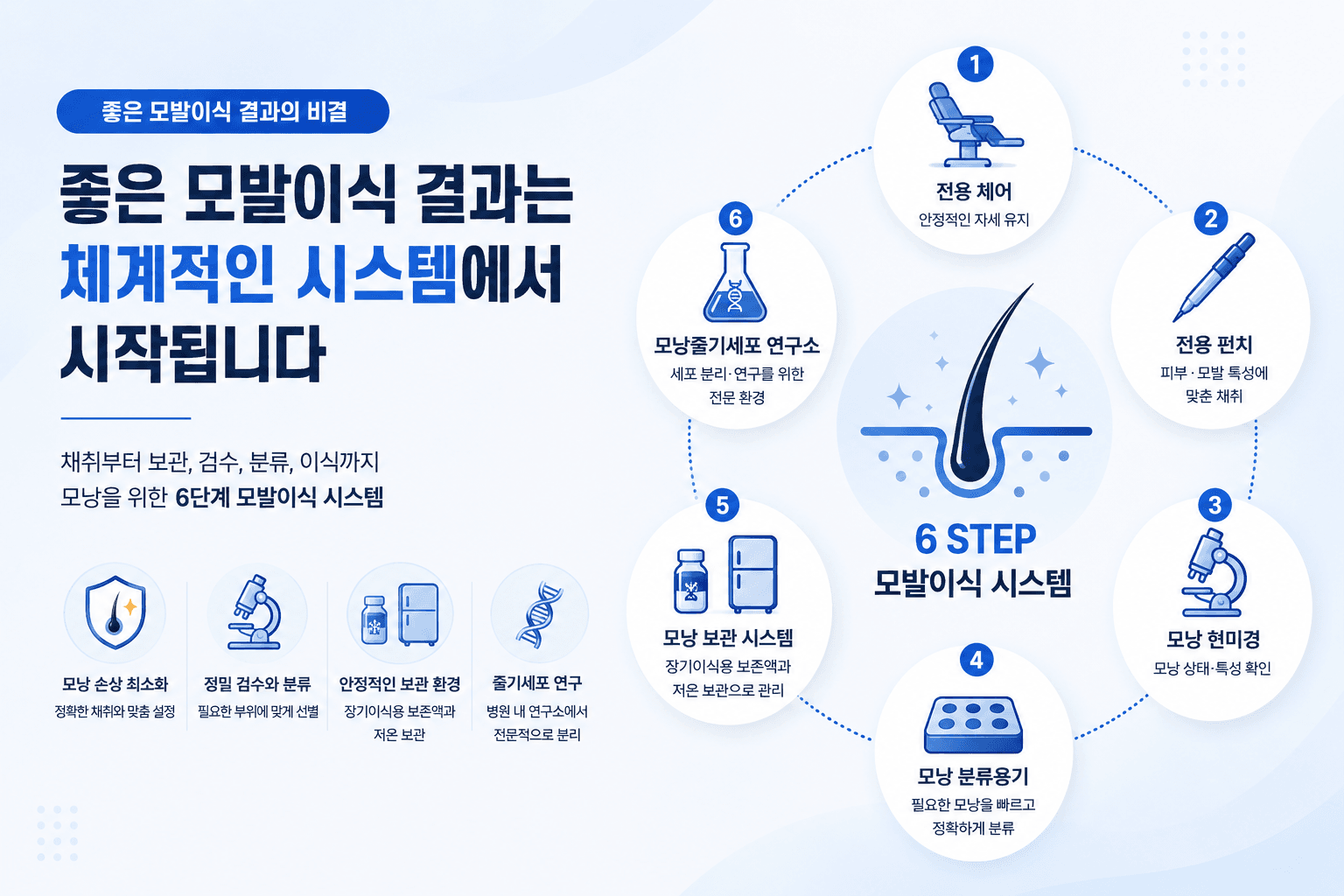
Modi Hair Plant is equipped with the systems needed for each stage of the hair transplant, including a dedicated chair, a dedicated punch, a follicle microscope, follicle sorting containers, a follicle storage system, and an in-clinic hair follicle stem cell research institute.
In this article, rather than simply listing each piece of equipment, we will explain why it is needed and what role it plays in the hair transplant process.
Key Summary
✔ Hair transplant results are determined by the process from harvesting to management.
✔ The dedicated chair creates a stable harvesting environment.
✔ The dedicated punch helps reduce follicle damage by adapting to skin and hair characteristics.
✔ Microscopic inspection and follicle sorting are processes for selecting follicles suited to the areas that need them.
✔ Organ transplant preservation solution and cold storage are processes for stably managing harvested follicles.
✔ The stem cell research institute is a research environment for hair follicle stem cell treatment.
A good hair transplant begins with harvesting and managing hair follicles with as little damage as possible.
A hair transplant is not simply a surgery to plant as many hairs as possible. Securing harvested follicles with as little damage as possible and managing them in an appropriate environment until just before transplantation have an important influence on the results.
Hair follicles are living biological tissue. They can sustain physical damage during harvesting, and once outside the body, they can be affected by temperature, storage conditions, and waiting time.
Therefore, all of the following steps are important for a good hair transplant.
- Can the patient maintain a stable position?
- Are follicles harvested at an appropriate angle and depth?
- Are harvested follicles checked under a microscope?
- Are follicles sorted according to the areas that need them?
- Are follicles that have left the body stored in an appropriate environment?
1. Dedicated Chair: Patient Comfort Leads to Stable Harvesting
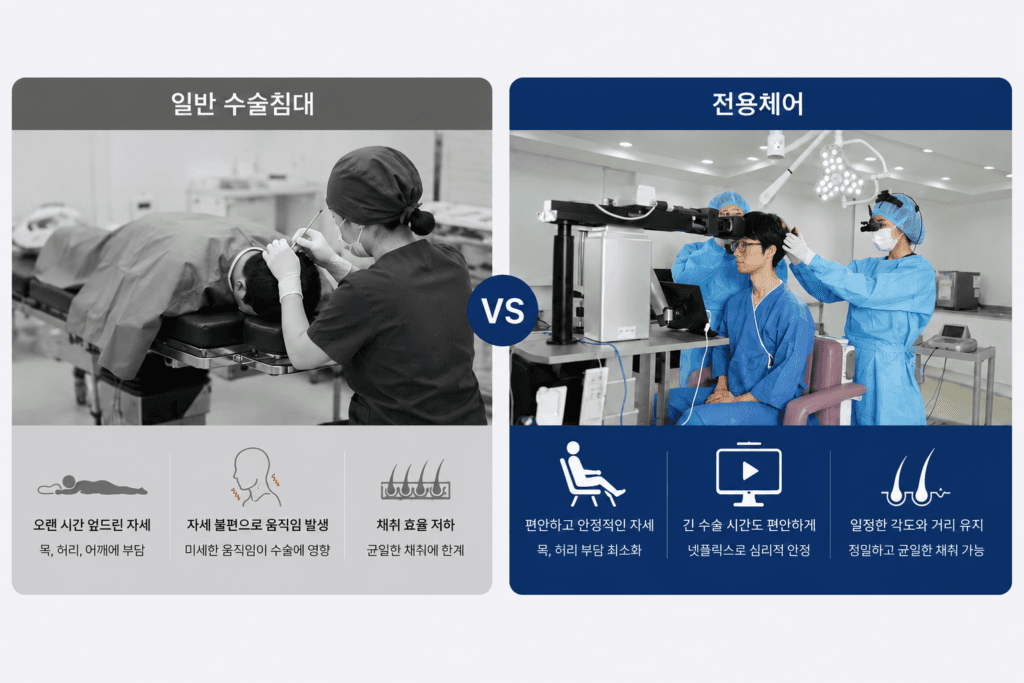
Non-incision hair transplants require a relatively long time because thousands of hair follicles are harvested one by one. Undergoing a long surgery lying face down on a standard operating bed can put strain on the face, neck, and lower back.
When patients feel uncomfortable, they tend to change position frequently or move their bodies. This is not just a matter of the surgery being uncomfortable. It can also affect the medical team's ability to harvest follicles while maintaining a consistent angle and depth.
Modi Hair Plant uses a chair dedicated to non-incision hair transplants. Patients can use their hands while seated in a natural position, and can watch movies or videos during surgery with a clear field of view.
The purpose of the dedicated chair is not simply to provide comfort. Its significance lies in helping patients maintain a stable position for a long time, allowing the medical team to harvest follicles in a more consistent environment.
2. Dedicated Punch: Adjusting the Harvesting Method to Skin and Hair Conditions
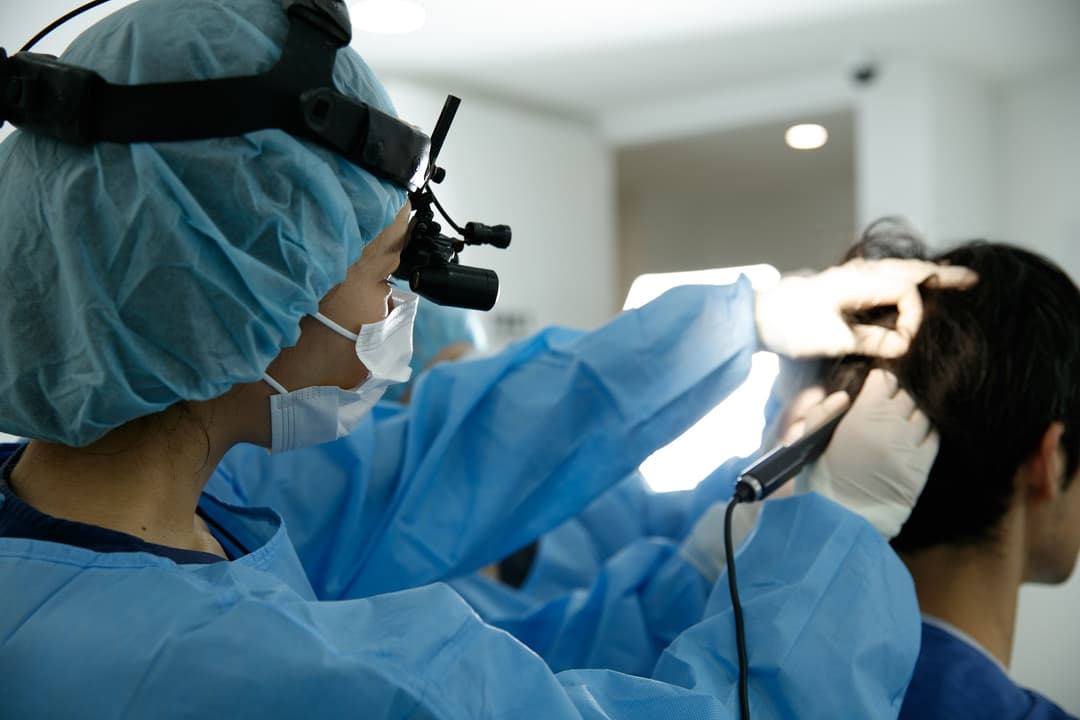
No two people have the same scalp and hair condition. Some people have firm skin and others have soft skin, and hair thickness, degree of curl, and the direction in which follicles sit also differ.
In non-incision hair transplants, the punch passes through the skin surface and separates the tissue surrounding the follicle. The skin surface is relatively firm, but the follicle roots and surrounding fatty tissue in the deeper layers are much softer and more sensitive.
The dedicated punch used at Modi Hair Plant allows various rotation methods and vibration modes to be set via a touch panel. A mode suited to cutting is used on the relatively firm skin surface, and it is switched to a gentler method in the deeper layers to reduce the stimulation applied to the follicles.
In addition, a suction system connected at the top helps hold the follicles steady so they do not shift during harvesting.
The reason for using a dedicated punch is not to harvest follicles quickly, but to harvest them stably while minimizing follicle damage, using settings suited to each patient's different skin and hair characteristics.
3. Follicle Microscope: Checking the Condition and Characteristics of Harvested Follicles
Harvested follicles do not all have the same form. There are single-hair follicles, in which one hair grows from a follicle, and multi-hair follicles, in which two, three, or more hairs grow together.
Relatively fine single-hair follicles are suitable for areas that require a natural appearance, such as the hairline, while follicles containing multiple hairs can be used for inner areas that need density.
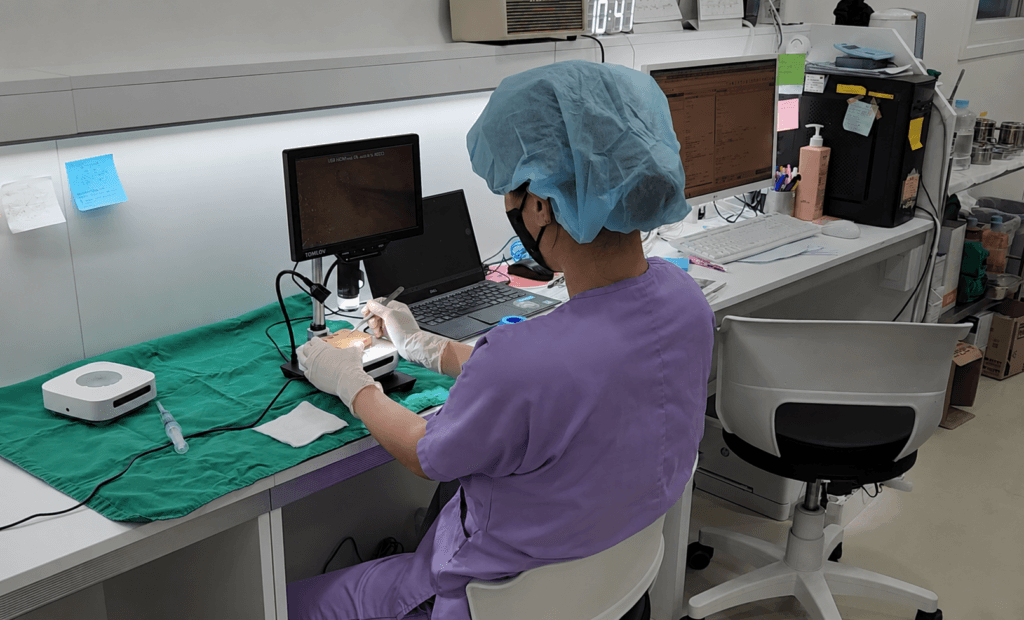
Modi Hair Plant examines harvested follicles under a microscope to inspect the number of hairs, thickness, shape, and any damage. The follicles are then sorted according to the characteristics of the areas where they will be transplanted.
The microscope display is connected to a monitor in the operating room, so the medical team can check follicle condition during surgery, and patients can also see their harvested follicles directly.
Microscopic inspection is not simply a process of counting follicles, but a process for efficiently placing a limited number of follicles where they are needed.
4. Follicle Sorting Containers: Finding the Needed Follicles Quickly and Accurately
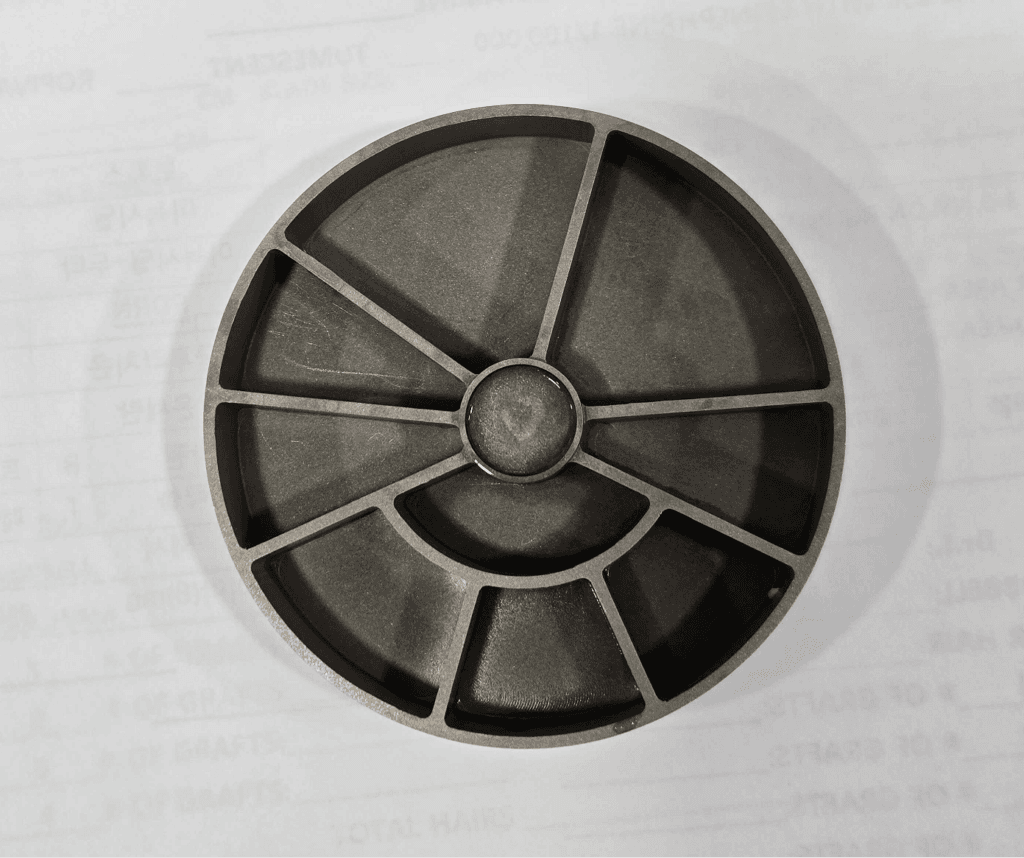
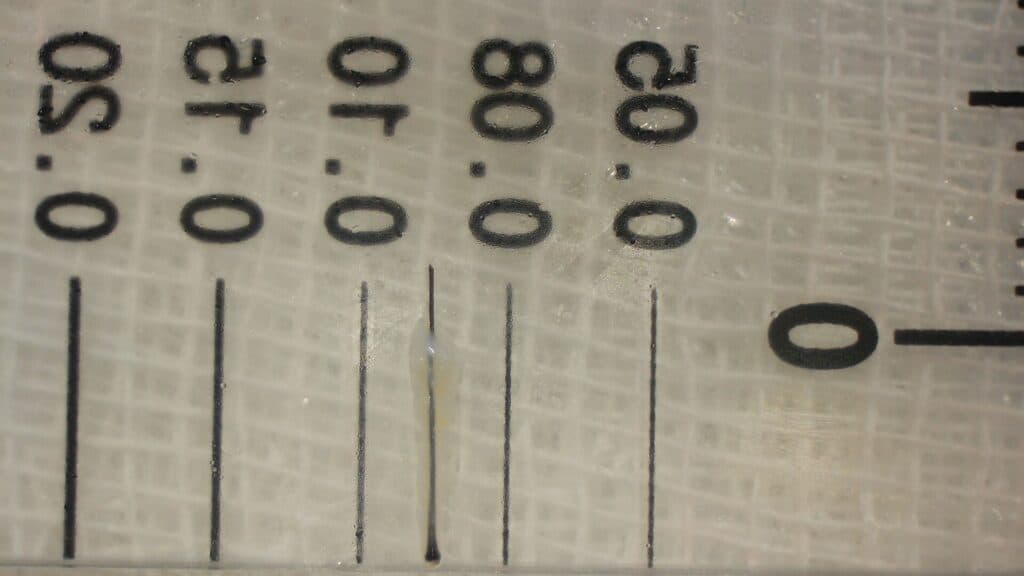
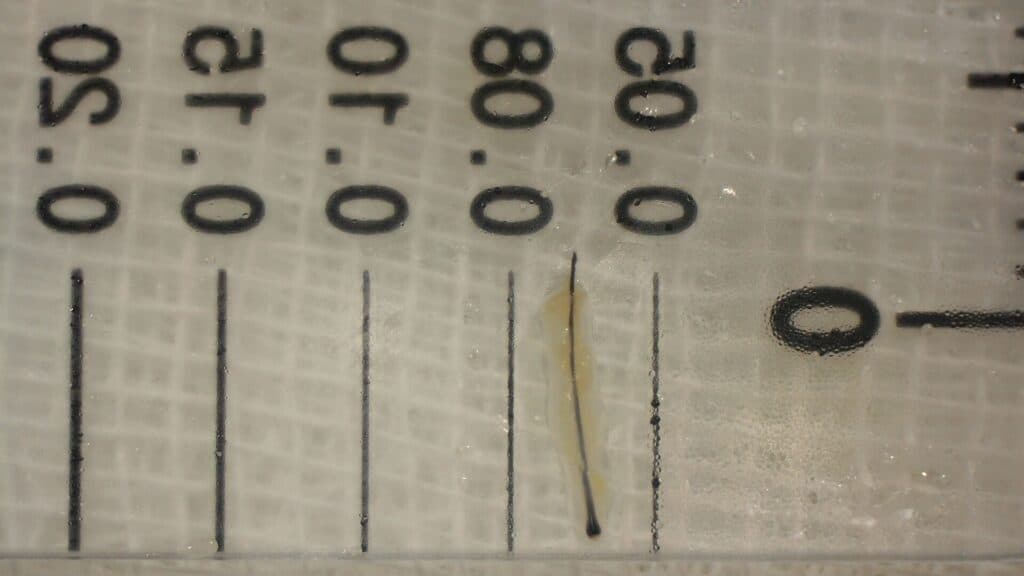
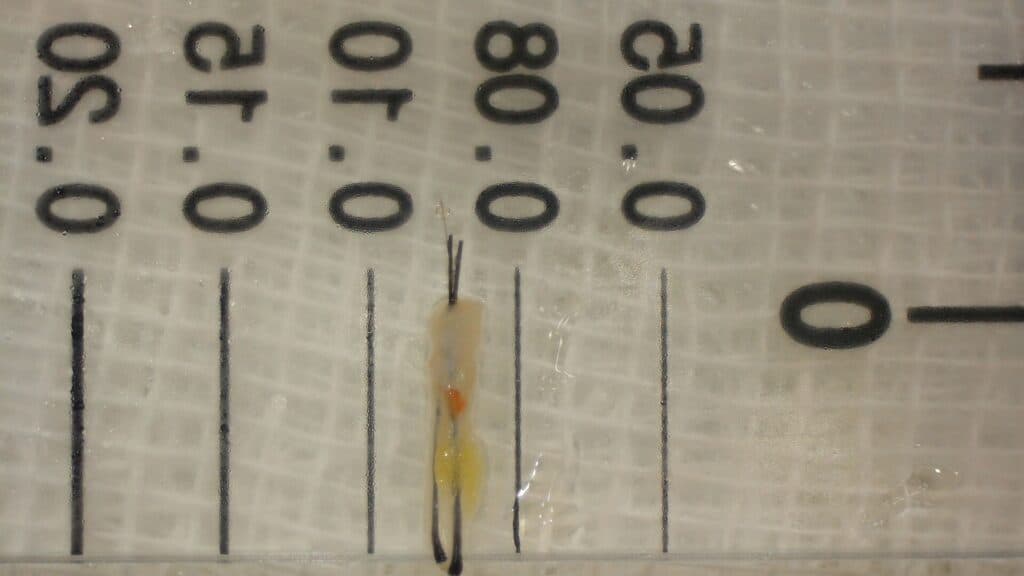
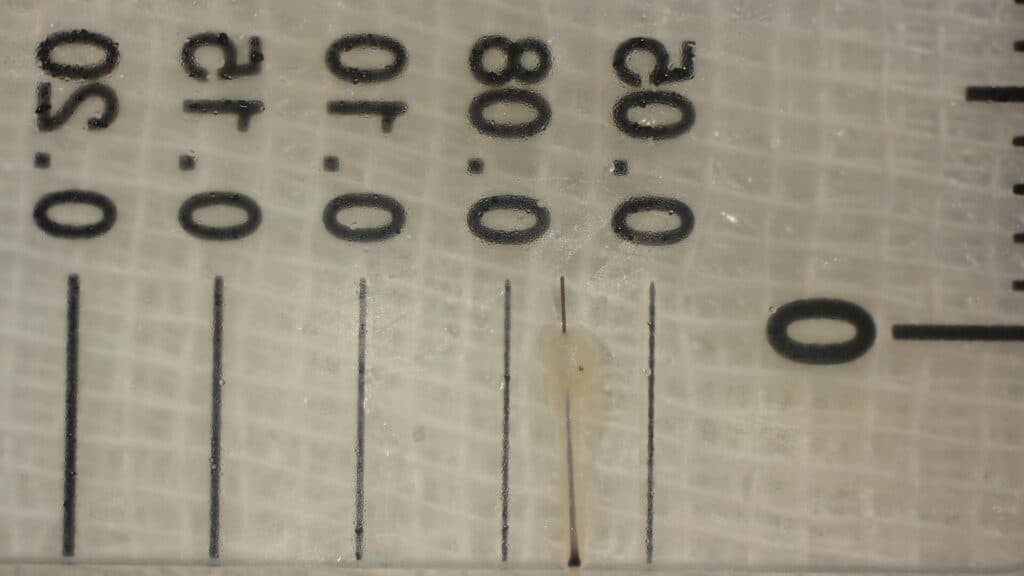
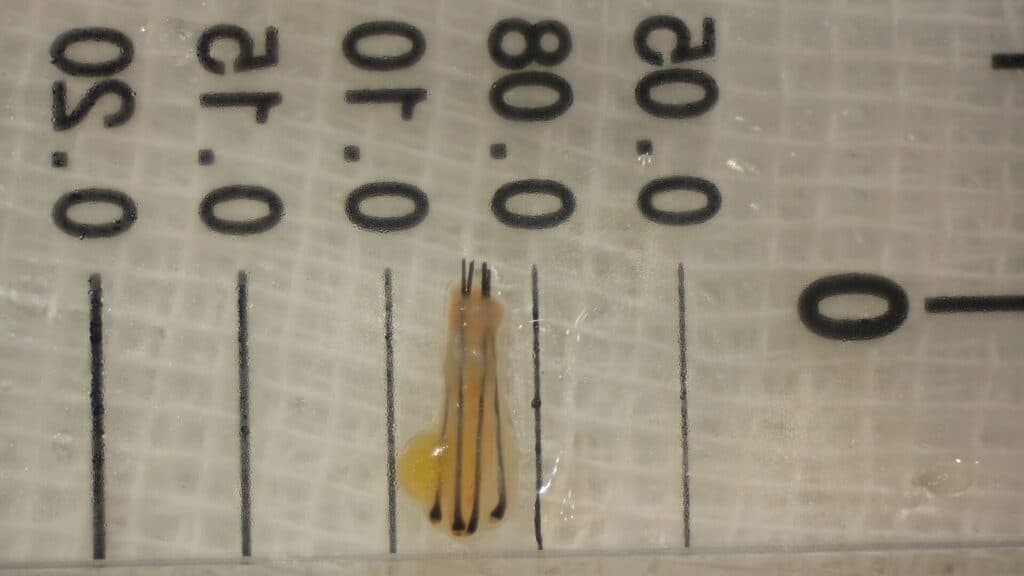
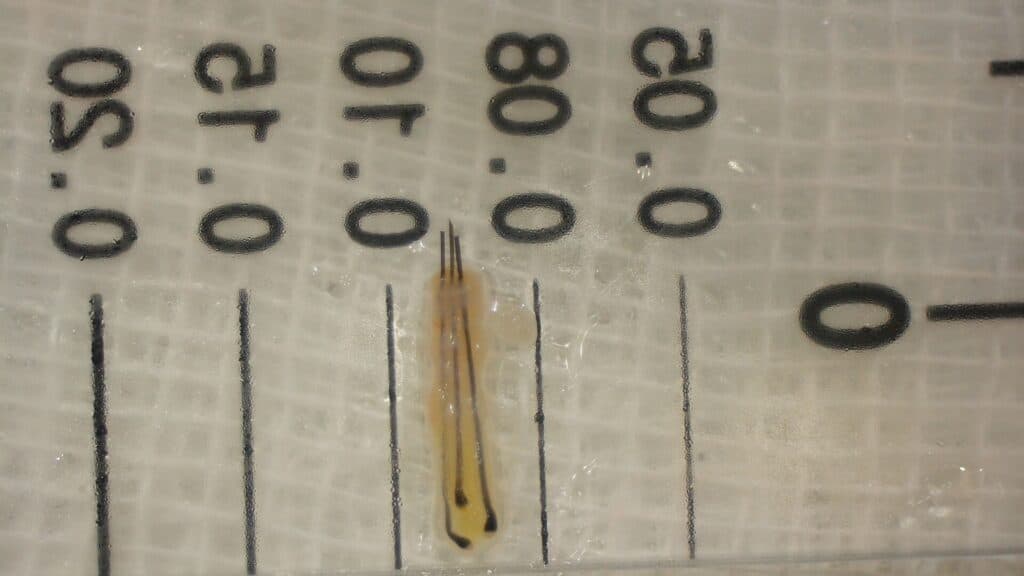
Follicles inspected under the microscope must be divided and managed according to the number of hairs, thickness, and the area where they will be used. If sorting is unclear, the time spent searching for or moving the needed follicles again during transplantation may increase.
Modi Hair Plant uses follicle sorting containers to separate and store single-hair follicles, multi-hair follicles, and follicles for each transplant area. The medical team can immediately identify and use the follicles they need, reducing unnecessary movement and waiting time.
For example, when creating a natural hairline, single-hair follicles consisting of one hair are used first, while follicles containing two or more hairs can be appropriately placed in inner areas where density needs to be increased.
Although follicle sorting containers are small tools, they play an important role in supporting accurate follicle placement and efficient surgical progress.
Follicles sorted in this way allow the medical team to quickly select the follicles they need, making the transplant process more efficient.
▶ Why follicle sorting containers matter – Learn more
5. Follicle Storage System: How Are Harvested Follicles Managed?
From the moment they are harvested, hair follicles are placed in an environment outside the body.
No matter how carefully follicles are harvested without damage, how they are managed until transplantation is also a very important part of the process.
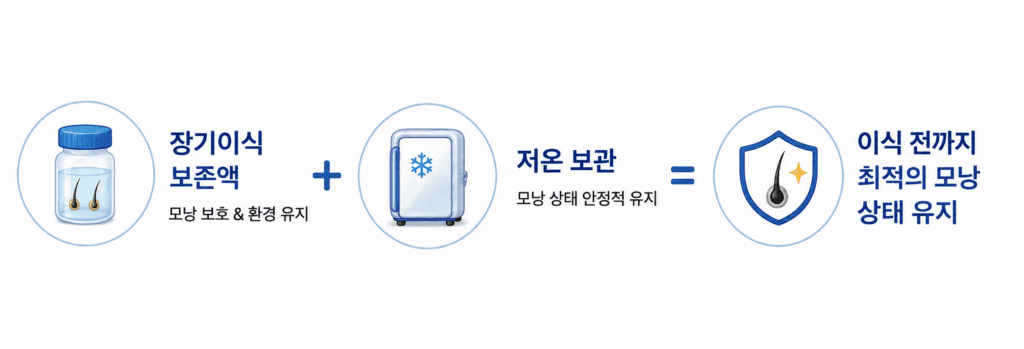
At Modi Hair Plant, harvested follicles are kept in an organ transplant preservation solution. Organ transplant preservation solution is a solution developed to keep the surrounding environment constant while cells and tissues are outside the body. It helps protect tissue from abrupt environmental changes and maintain a stable condition until transplantation.
We apply the concept of managing tissue in a constant environment, as used in the field of organ transplantation, to follicle storage in order to maintain a more stable environment until transplantation.
The follicles are then managed in refrigerated storage equipment that maintains a constant low temperature. The low-temperature environment is a process for keeping harvested follicles in a consistent condition until transplantation and is used together with the organ transplant preservation solution.
So why are low temperature and preservation solution used together? From the moment follicles are separated from the body, they no longer receive oxygen and nutrients. Cells continuously use energy (ATP) to sustain themselves, but it is difficult for them to produce enough of this energy outside the body. If this state continues for a long time, cells can become metabolically exhausted and additional damage may occur.
The purpose of the low-temperature environment is to slow cellular metabolism, reducing energy consumption and the resulting damage. When an isotonic organ transplant preservation solution with a composition similar to the cell interior (e.g., Custodiol) is used alongside it, it helps maintain tissue outside the body in a more stable condition. This combined low-temperature and preservation-solution approach is a widely established method for managing tissue outside the body in the fields of organ and tissue transplantation.
Which solution and temperature are best for storing hair follicles is a topic that continues to be studied in international academic journals. The type of storage solution and the temperature must be considered together, and Modi Hair Plant manages its follicle storage environment with reference to this research and the principles established in the field of organ transplantation.
In addition, because follicles undergo microscopic inspection and sorting immediately after harvesting and are prepared in the required order, the medical team can quickly identify and use the follicles they need.
Ultimately, what matters is the process of systematically managing harvested follicles using organ transplant preservation solution and an appropriate low-temperature environment. This management system plays an important role in maintaining a stable environment until the follicles are transplanted.
6. Hair Follicle Stem Cell Research Institute: Facilities and Personnel Are Needed for Cell Isolation
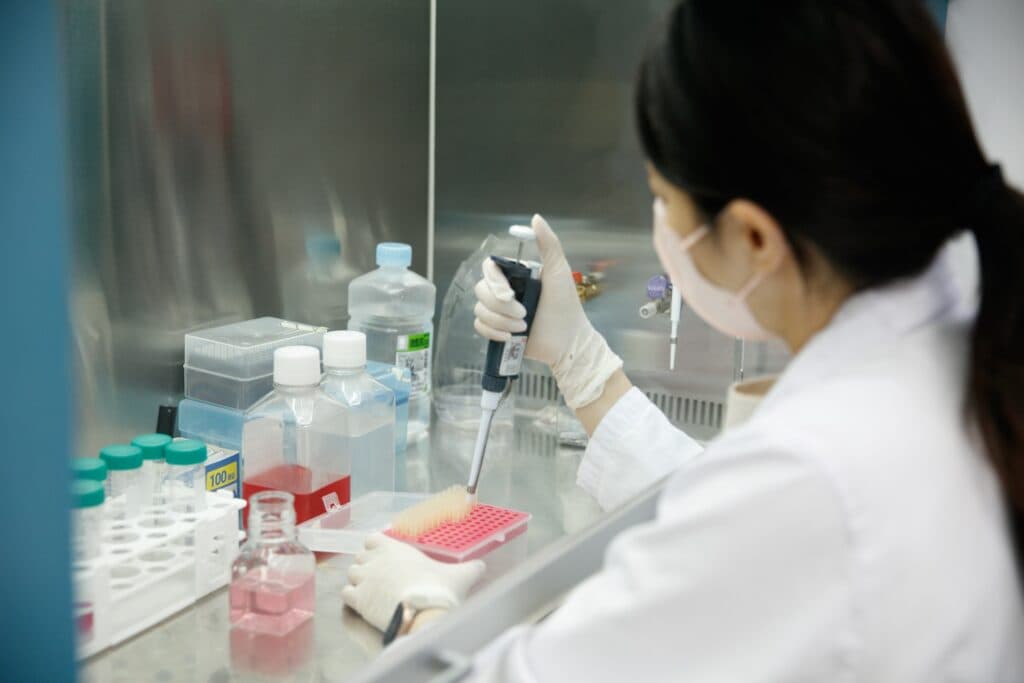
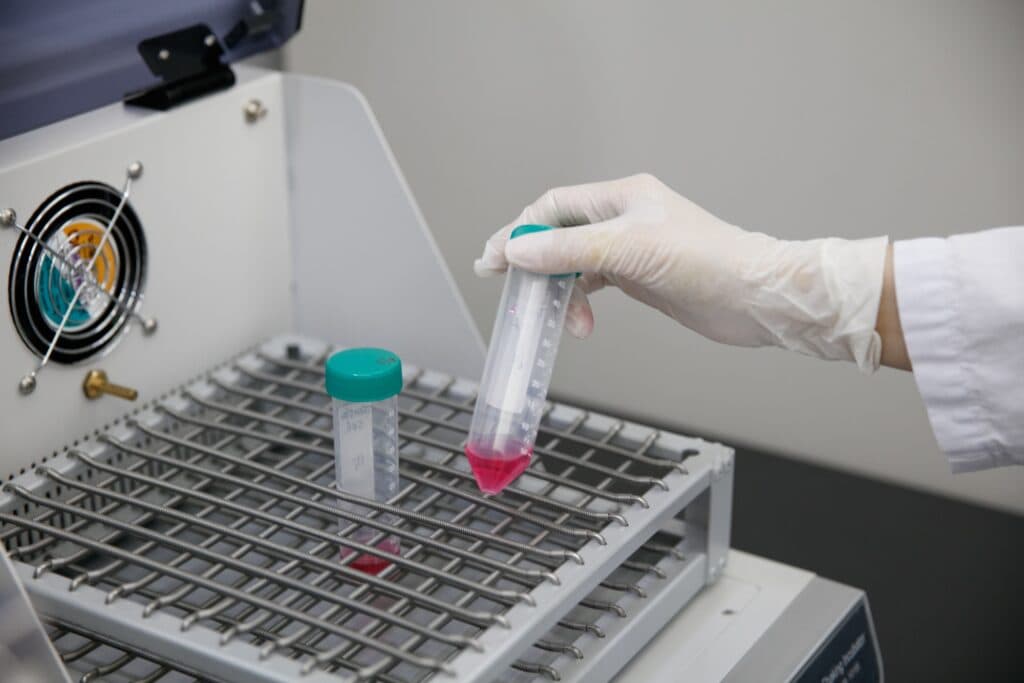
Hair follicle stem cell treatment does not end with harvesting follicles. Isolating the necessary cells from follicles requires appropriate equipment, facilities, and skilled personnel.
Modi Hair Plant operates a hair follicle stem cell research institute within the clinic, where specialized staff are stationed on-site to carry out the process of isolating the necessary cells from patients' follicles.
Because surgery and cell isolation are connected within the clinic without transferring specimens to an outside institution, each step can be managed in a consistent flow.
Just as surgical experience and skill are needed to perform hair transplants well, specialized facilities and experience are also needed to isolate cells from follicles in an intact condition.
More Important Than Good Equipment Is How Each Step Is Connected
Having a lot of equipment does not necessarily produce good hair transplant results. What matters is the purpose for which each piece of equipment is used, and whether the medical team can apply it according to the patient's condition.
Modi Hair Plant's hair transplant system is connected as follows.
- The patient maintains a stable position using the dedicated chair.
- The dedicated punch is set according to the patient's skin and hair characteristics.
- Harvested follicles are inspected under a microscope.
- Follicles are separated according to the transplant area using follicle sorting containers.
- Follicles are managed in organ transplant preservation solution and a low-temperature storage environment.
- Hair follicle stem cell isolation is carried out at the in-clinic research institute.
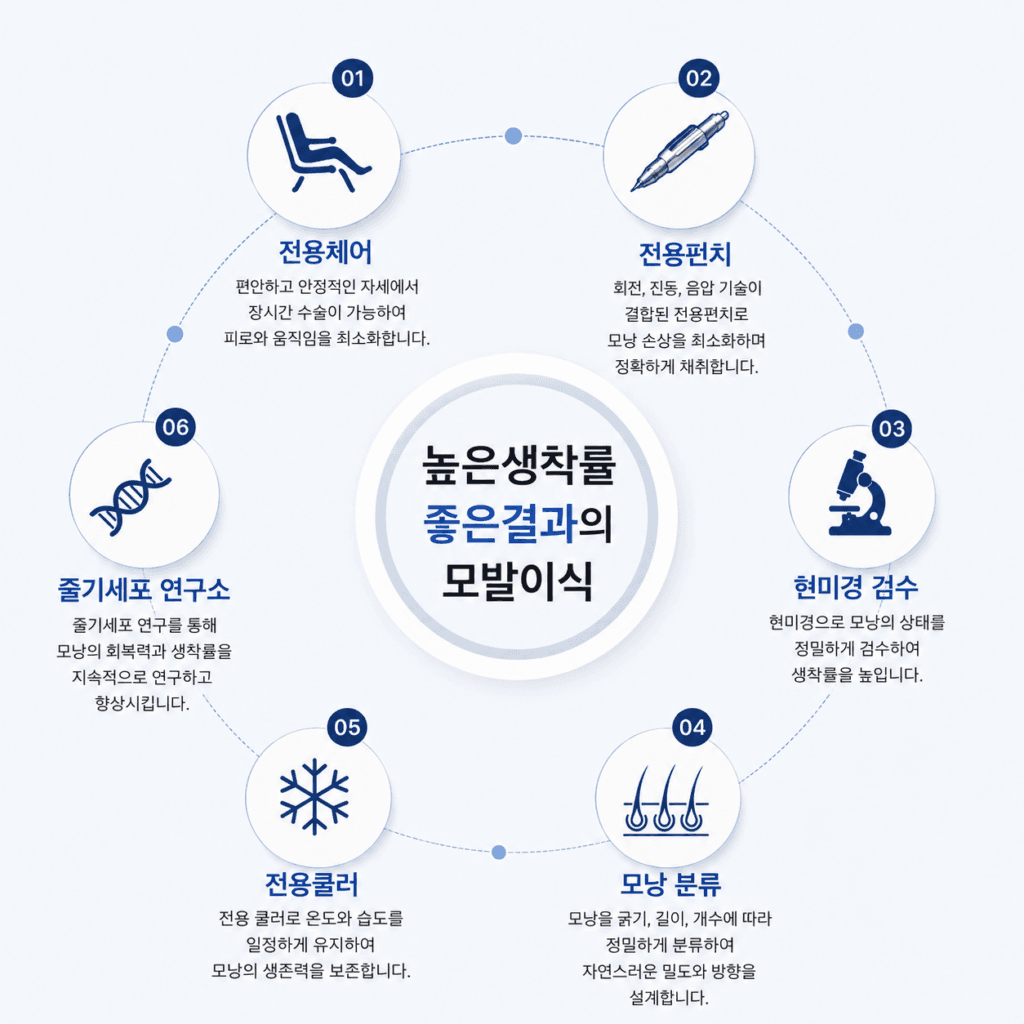
All of these steps share a single purpose.
To harvest hair follicles with as little damage as possible and manage them in an appropriate environment until transplantation, in order to achieve better hair transplant results.
Hair transplant results are not determined by a single piece of equipment.
An environment where patients can undergo surgery comfortably,
harvesting suited to each patient's different skin and hair characteristics,
inspection and sorting of harvested follicles,
management until transplantation,
and, when needed, hair follicle stem cell treatment.
Better results can be expected when all of these steps are connected like a single system.
Modi Hair Plant will continue to research and improve every step—from harvesting to storage, inspection, sorting, and transplantation—striving for more natural and longer-lasting hair transplant results.
Frequently Asked Questions (FAQ)
Q. Is equipment the most important factor in a good hair transplant?
Equipment is important, but more important than which equipment is used is how the equipment is applied according to the patient's scalp and hair condition, and how systematically the process from harvesting through inspection, sorting, storage, and transplantation is managed.
Q. Why is organ transplant preservation solution used?
Harvested follicles can be affected by the external environment while they are outside the body. At Modi Hair Plant, we use organ transplant preservation solution together with a low-temperature storage environment so that follicles can be managed in a stable environment until transplantation.
Q. Why are follicles checked under a microscope and sorted?
Harvested follicles all differ in number of hairs, thickness, and shape. Checking their condition under a microscope and then separating single-hair and multi-hair follicles for use in the appropriate areas helps achieve a more natural design and more efficient transplantation.
Q. Can hair transplant results differ just by having good equipment?
Results are not determined by good equipment alone. Good results can be expected only when there is also a system that accurately analyzes the patient's condition and organically connects every step, including appropriate harvesting, inspection, sorting, storage, and transplantation.
Q. What should I check when choosing a hair transplant clinic?
When choosing a hair transplant clinic, it is advisable to check not only the type of equipment but also the medical team's experience, the harvesting and inspection process, the follicle management system, and aftercare. Looking at whether each step is operated systematically helps in understanding the clinic's surgical system.
Q. How long are follicles stored in a non-incision hair transplant?
After harvesting, follicles are managed in as appropriate an environment as possible and transplanted sequentially in line with the surgical process. An appropriate management system is more important than the storage time itself.
References
- Nerkar GM, Waknis PP, Kharat AH, Yeole SB. An In vitro Study Comparing the Survival of Hair Follicles in Various Storage Media at Different Temperatures for Hair Transplant Procedure. International Journal of Trichology. 2025;17(2):121–127. PubMed
- Thuangtong R, Chaweekulrat P, Thanomkitti K, Triwongwaranat D, Rujitharanawong C. Effect of Platelet-Rich Plasma and other Key Factors on Hair Follicle Preservation. International Journal of Trichology. 2023;15(2):50–55. PubMed
※ The studies above examined the effects of storage solutions and temperature on hair follicle survival and do not guarantee results for individual patients.
Curious which hair transplant system is right for you?
Because every patient's scalp and hair condition is different, the required harvesting method and management process may also differ.
At Modi Hair Plant, we assess your scalp and hair condition through consultation and guide you through a hair transplant plan and surgical system suited to you.
📚 Related Articles
▶ Curious about non-incision hair transplants? → Learn more about no-shave non-incision hair transplants
▶ Curious about true no-shave? → See the difference between no-shave and strip-shave
▶ Curious about hair follicle stem cell treatment? → Learn more about the research institute and treatment process
This article was reviewed by our medical team before publication.