
Some people want to begin hair loss treatment but find taking medication every day burdensome, or hesitate because they experienced side effects while taking medication in the past. However, if male pattern hair loss is left untreated, hair may gradually become thinner and the area of hair loss may widen, so it is important to explore possible treatment options together with a medical professional.
One option that can be considered in such cases is dutasteride injection (Duta injection). In this article, we will explain in turn how dutasteride injections work, how they differ from oral medication, what changes can be expected, who may be suitable, and precautions to keep in mind.
What Is a Dutasteride Injection?
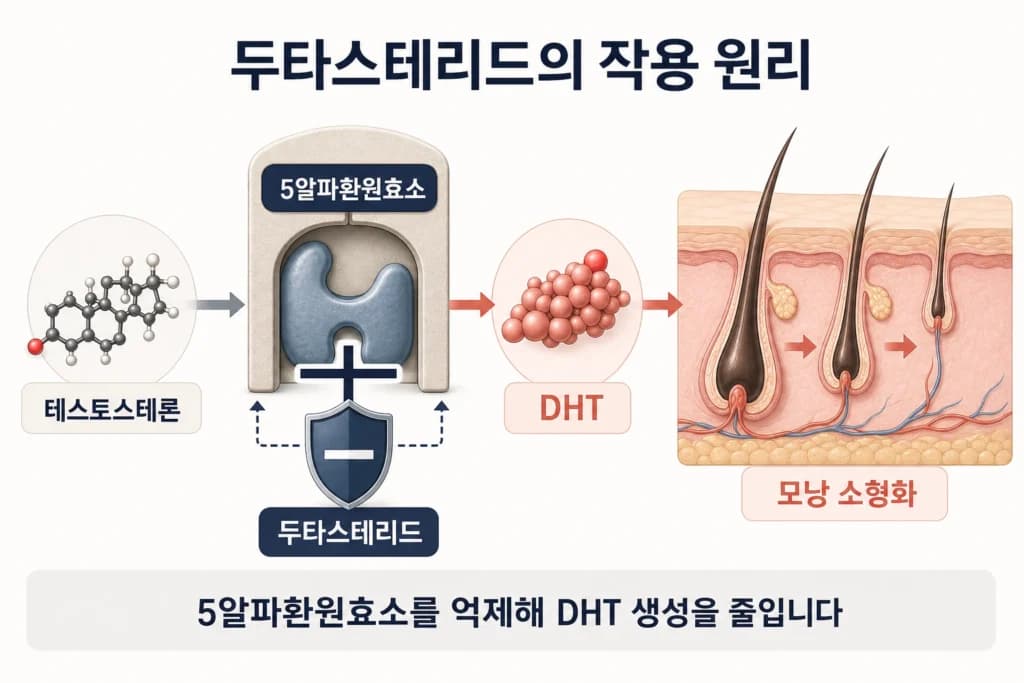
Male pattern hair loss progresses as the male hormone testosterone is converted into dihydrotestosterone (DHT) by the enzyme 5-alpha reductase, and hair follicles sensitive to DHT gradually become thinner. Dutasteride is an ingredient that inhibits 5-alpha reductase to reduce DHT production.
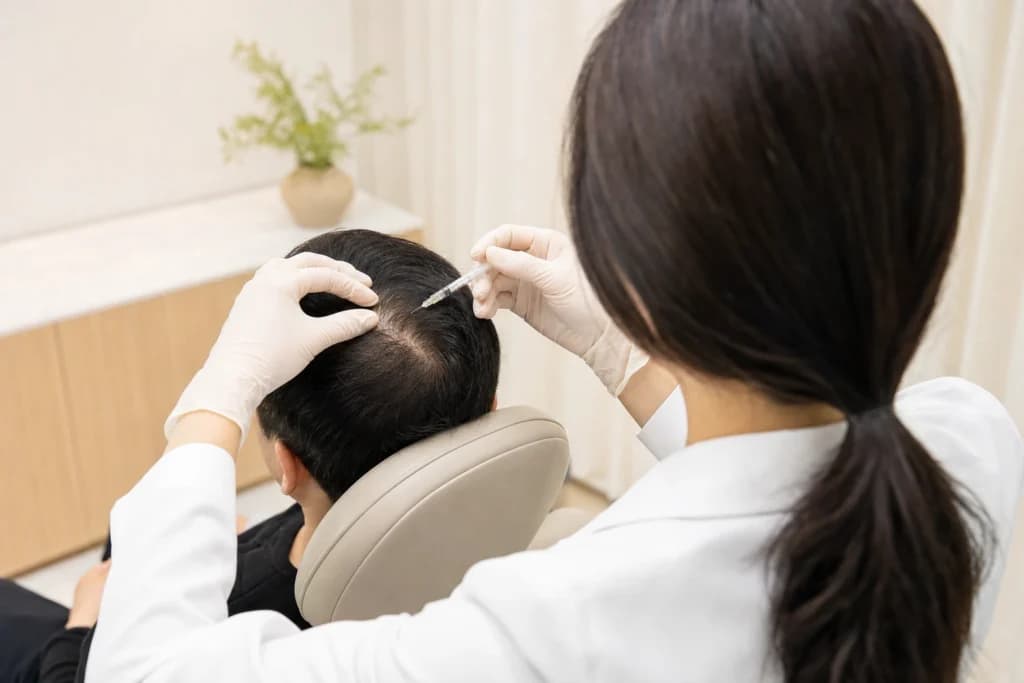
Whereas oral dutasteride delivers the drug throughout the body, a dutasteride injection is a local treatment in which a low-concentration preparation of the drug is injected directly into the dermal layer of the scalp where hair loss has progressed. At Modi Hair Plant, after assessing the condition of the scalp and the hair loss, dutasteride diluted to 0.05% is injected using a fine needle.
Local injection aims to deliver the drug to the area where it is needed while reducing the total dose and systemic exposure. However, being an injection does not mean the drug is not absorbed systemically at all or that the possibility of side effects is completely eliminated. In addition, accumulated research and long-term data are more limited than for oral treatment, so the decision should be made after receiving a thorough explanation of the treatment's advantages and disadvantages.
How Does It Differ from Oral Dutasteride?
- Method of administration: Oral medication is taken regularly at a set dose, whereas injections are administered directly into the scalp at a medical facility.
- Treatment interval: Oral medication is generally taken daily. Injections are performed at intervals of several weeks, depending on scalp condition and treatment stage.
- Systemic exposure: Local injection aims to reduce systemic exposure, but systemic absorption cannot be completely ruled out.
- Convenience and burden: Oral medication is convenient and relatively low in cost. Injections require regular clinic visits and may involve pain during the procedure or a cost burden.
Therefore, it is difficult to say that dutasteride injections are superior to oral medication in every respect. If treatment with oral medication is stable, oral treatment may be considered first, and injections may be an alternative when taking medication is difficult or when existing treatment has not been sufficiently effective.
What Effects Can Be Expected?
The main purpose of dutasteride injections is to reduce the influence of DHT in order to slow the progression of male pattern hair loss and help prevent thinned hair from becoming weaker. Some patients may see changes in hair thickness or density, but treatment response varies depending on the duration and extent of hair loss, hair follicle condition, age, and concurrent treatments.
Because the hair growth cycle is long, it is difficult to judge results after only one or two treatments. Generally, treatment is given at regular intervals in the initial phase, and response is evaluated over approximately 3–6 months by comparing the amount of shedding, hair thickness and density, and clinical photographs. Depending on the patient's condition, Modi Hair Plant may perform treatment at 2-week intervals for approximately the first 3 months and then adjust to monthly intervals. The actual number of sessions and intervals vary depending on the results of the consultation.
Who May Consider Dutasteride Injections
- Those diagnosed with male pattern hair loss who find it difficult to continue oral medication
- Those in whom hair loss progression is observed even after taking finasteride
- Those concerned about the systemic side effects of oral hair loss medication
- Those who prefer regular in-clinic treatment over daily medication
- Those who can accept the discomfort of injections and the burden of repeated clinic visits
On the other hand, alopecia areata, telogen effluvium, scarring alopecia, and similar conditions have different causes and treatments. Rather than choosing Duta injections simply because hair is falling out, the type of hair loss should first be accurately identified.
Precautions and Possible Side Effects
Temporary pain, redness, swelling, bruising, itching, or tenderness may occur at the injection site. In rare cases, inflammation, infection, or unexpected local reactions may also occur. If pain or swelling worsens or persists for a long time after the procedure, you should inform the medical facility.
If dutasteride is absorbed systemically, the possibility of adverse reactions known for the oral medication—such as decreased libido, changes related to erection or ejaculation, breast discomfort, and mood changes—cannot be completely ruled out. Existing medical conditions, medications currently being taken, and past side effects from hair loss medication should be reported to the medical staff during consultation.
Women who are pregnant or may become pregnant must not be exposed to dutasteride. Women, minors, and those planning a pregnancy must consult separately with medical staff regarding eligibility and precautions. Because dutasteride scalp injections may differ from standard oral treatment in level of evidence and scope of approval, it is important to decide whether to proceed after a thorough explanation and informed consent.
Dutasteride Injection FAQ
1. Can I stop taking oral medication right away once I start Duta injections?
Stopping on your own is not recommended. Whether to continue, reduce, or switch to injections should be decided after reviewing the effects and side effects of your current medication and the progression of your hair loss.
2. How often do I need the injections?
Initially, treatment is given at 2-week or several-week intervals, and once the condition stabilizes, the interval may be adjusted to one month or longer. A set number of sessions does not apply equally to all patients.
3. When can results be seen?
Considering the hair growth cycle, several months of observation are needed. Scalp photographs and hair condition are usually compared at around 3–6 months, but for some individuals it may take longer, or there may be no noticeable change.
4. How painful are the injections?
Even though a fine needle is used, injections are made at multiple sites, so a stinging or aching sensation may occur. The degree of discomfort varies depending on pain sensitivity and the extent of the injection area.
5. Can hair loss be treated with Duta injections alone?
Depending on the patient, they may be considered on their own, but other treatments such as minoxidil or oral medication may need to be combined. In areas where hair follicles have already been lost, sufficient recovery may be difficult with medication alone, so other options such as hair transplant are reviewed.
Key Summary
- Dutasteride injection is a local treatment in which the drug is injected directly into the dermal layer of the scalp.
- It may be considered when oral medication is difficult to continue or when response to existing treatment is insufficient.
- It aims to reduce systemic exposure, but the possibility of side effects is not completely eliminated.
- Assessing effectiveness usually takes several months, and results and treatment intervals vary between individuals.
- The type of hair loss and your health condition should be checked first, and then the decision on treatment should be made with medical staff.
If Oral Medication Is a Burden, Start with a Diagnosis
Having difficulty taking hair loss medication does not mean there are no treatment options. However, dutasteride injections are not a treatment everyone needs. Modi Hair Plant Clinic reviews the type and extent of hair loss, previous treatment experience, and any side effects, and then works with you to determine whether oral medication or injections are more suitable.
If you are considering changing the medication you are currently taking or are curious about Duta injection treatment, please consult with medical staff before stopping any medication on your own.
References
- Saceda-Corralo D, Rodrigues-Barata AR, Vañó-Galván S, Jaén-Olasolo P. Mesotherapy with dutasteride in the treatment of androgenetic alopecia. Int J Trichol. 2017;9(3):143–145. doi:10.4103/ijt.ijt_73_16 (PubMed)
- Saceda-Corralo D, Moustafa F, Moreno-Arrones Ó, Jaén-Olasolo P, Vañó-Galván S, Camacho F. Mesotherapy with dutasteride for androgenetic alopecia: a retrospective study in real clinical practice. J Drugs Dermatol. 2022;21(7):742–747. doi:10.36849/JDD.6610 (PubMed)
The above references are clinical studies on mesotherapy, a method of locally injecting dutasteride into the scalp. Dutasteride scalp injections may differ from standard oral treatment in level of evidence and scope of approval, and treatment response varies between individuals.